25
Nov
Dust Suppression & Sprinkler Systems for Stone-Crushing Plants
Stone-crushing
operations generate large amounts of airborne dust from activities such as
feeding, conveying, crushing, screening, and material handling. Effective dust
suppression protects workers, reduces environmental impact, and helps plants
comply with regulatory standards (e.g., CPCB, NGT).
1 Why Dust Suppression is Needed
- Prevents
air pollution
- Improves
visibility and workplace safety
- Protects
workers from respiratory illnesses
- Reduces
wear on equipment
- Helps
maintain compliance with environmental regulations
2 Types of Dust Suppression Systems
A. Water-Based Sprinkler Systems
Used
widely because they are simple and cost-effective.
1.
Overhead Sprinklers
Installed
at:
- Feeding
hopper
- Conveyor
transfer points
- Primary/secondary
crushers
- Screening
units
- Stockpiles
and roadways
Flow rate: 5–10 L/min per nozzle (general)
Nozzle type: Full cone / Flat-fan / Fogging nozzles
2. Mist
or Fogging Systems (Fine Water Spray)
Uses
high-pressure pumps (10–100 bar) to generate fine droplets (20–60 microns) that
bind with airborne dust.
Applications
- Enclosed
crushing units
- Screen
houses
- Conveyor
transfer hoods
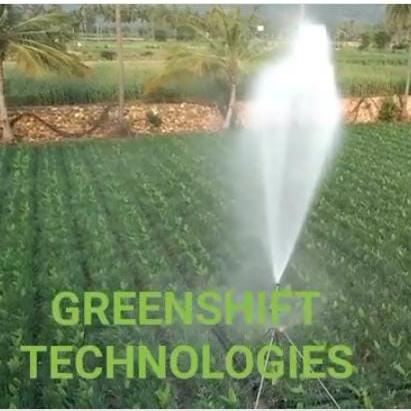
3. Rain
Gun Systems
Useful
for:
- Stockpiles
- Open
yards
- Haul
roads
Coverage: up to 30–60 m radius
Operating pressure: 3–7 bar
Advantages: Very effective (< 10 mg/Nm³ emissions)
4C Systems (Best Practice)
Most
modern plants use:
- Fogging
system at crushers
- Sprinklers
on conveyors + Stockpile rain guns
- Road
watering systems or tanker spray bars
This
provides maximum control while minimizing water usage.
5 Recommended System Design
At the Primary Crusher
- Enclose
the crushing area
- Install
high-pressure fogging nozzles
- Use
flexible rubber curtains to contain dust
At Conveyor Transfer Points
- Install
spray bars inside transfer chutes
- Fit
dust extraction or fogging systems
At Screening Units and VSI
- Use
multiple spray bars at feed and discharge points
- Consider
installing a bag filter if heavily dusty
Stockpiles
- Install
rain guns
- Use
perimeter sprinklers
- Apply
chemical dust suppressants in dry seasons
Internal Roads
- Water
tankers with spray bars
- Soil
stabilizers or dust-binding agents if needed
6 Automation & Controls
- Automatic
timers to control sprinkler cycles (if automatic)
- Humidity
sensors to activate systems only when needed(if
required)
- Solenoid
valves for remote zone control
- SCADA
or PLC integration for large plants
7 Additional Measures
- Use
covered conveyors
- Install
windbreak barriers
- Reduce
fall height between conveyors
- Compact
and wet material before loading
- Regular
maintenance of nozzles and pump/s
8 Typical Equipment List
- High-pressure
pump (2–5 HP for fogging)
- Sprinkler
nozzles (full-cone)
- Rain
guns (1–2", 30–50 m throw)
- Solenoid
valves (for automatic systems)
- Galvanised
iron pipelines
- Pressure
gauges, filters, and strainers
- Control
panel (manual or automatic)
Share This News