
greenshiftspraysystems@gmail.com
+91-9830983311
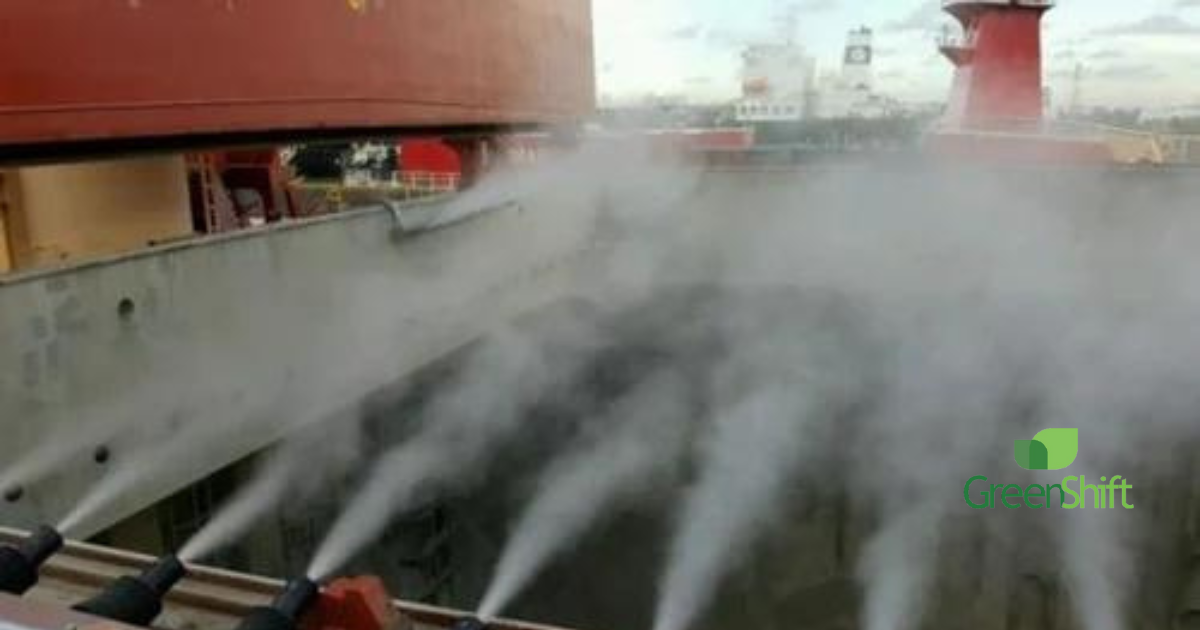
Fugitive dust drifts through the air like an uninvited guest at your site, choking operations and sparking health worries. You know the drill—workers cough through shifts, equipment grinds to a halt from buildup, and fines loom if regulators show up. With OSHA and EPA along with NGT & CPCB in India cracking down on air quality, ignoring dust isn't an option anymore. It hits worker safety hard, slows productivity, and racks up cleanup costs. But here's the good news: smart dust suppression systems, paired with rain gun sprinklers for irrigation, can tame that mess. These tools deliver water precisely where you need it, cutting dust at the source while keeping your site compliant and running smooth.
Understanding Fugitive Dust and Its Impact
Dust
isn't just annoying; it sneaks into lungs and machinery, causing real harm.
Fine particles from dry ground or moved materials float easy and spread far.
You see it in quarries or roadwork, where a single truck stirs up clouds that
linger.
Sources and Types of Problematic Dust
Common
spots for dust trouble include mining sites, where blasting kicks up
silica-laden grit. Construction zones stir soil into the breeze, and aggregate
plants crush rock into powder. Unpaved roads and stockpile yards add to the
mix, especially when winds pick up.
Regulatory Landscape and Compliance Requirements
Laws
demand action on dust now. The Clean Air Act sets limits on particle levels,
and states enforce visibility rules on roads. Air quality permits require plans
for suppression in high-risk zones.
OSHA
mandates safe breathing air for workers, with fines as per their law.Trends
show tougher checks—drones now spot dust plumes from afar. Meet these, or face
shutdowns. Simple steps like regular watering keep you ahead.
Economic Costs of Uncontrolled Dust
Dust
chews through your budget in sneaky ways. Abrasives wear blades and belts
faster, boosting repair bills by 20-30% in dusty ops. Low visibility sparks
accidents—think loader crashes that idle crews for days.
Material
slips away in the wind, cutting yields by tons yearly. Fines? Add lost time
from cleanups, and uncontrolled dust drains profits fast. Smart control flips
that script, saving cash long-term.
Core Technologies in Advanced Dust Suppression
Dust
fights back unless you hit it right. Water alone works, but tech boosts it.
From chemicals to smart sprays, options abound for your setup.
Stabilization Techniques for Long-Term Control
Binders
lock dust in place, like glue on sand. Tackifiers coat roads, cutting re-kickup
by 70%. Mix them with water for a tough skin that rain won't wash away easy.
Soil
stabilizers mix deep, turning loose dirt firm. Apply via sprinklers for even
reach. This beats daily watering, especially in dry spells. Sites using these
report 40% less maintenance.
The Science of Particle Agglomeration
Dust
floats light until you weigh it down. Moisture pulls particles together, making
bigger clumps that drop fast. It's basic physics—add water, and bonds form to
trap fines.
Chemicals
speed this, linking grains like magnets. Aim for 10-20% moisture in piles; too
dry, and it flies; too wet, and you waste water. Rain gun sprinklers nail this
balance with controlled drops. Watch suppression jump when you match the method
to your dust type.
Leveraging Rain Gun Sprinklers for Broad-Area Dust Suppression
Rain guns
throw water far and wide, perfect for big sites. They outpace misters in reach,
soaking piles that sprays miss. Integrate them into your dust suppression
system for real results.
Advantages of Rain Gun Sprinklers Over Conventional Misters
Standard
misters hug close, wetting just a small patch. Rain guns hurl streams 100-200
feet, covering acres quick. You control droplet size—big ones sink into loose
material without bounce.
This deep
soak beats mist's surface skim, locking dust better. In windy spots, their
force cuts through gusts. A Texas quarry swapped misters for guns and halved
dust complaints.
Selecting the Right Rain Gun for Dust Mitigation
Look at
flow rate first—50-500 GPM handles most jobs. Nozzle choice matters:
full-circle for round piles, part-circle for industrial plant haul roads.
Pressure at 40-80 PSI keeps arcs steady.
Match
drops to dust—coarse for big grains, fine for powders. Brands like Nelson or
Irrigation Global offer adjustable models. Tip: Start with 1/4-inch nozzles for
even spread. Test on-site to tweak.
System Integration and Placement Strategies
Place
guns high on towers for wide views. Space them 50-100 feet apart along dust
lines like conveyors. Angle toward hotspots—stockpiles need overhead hits.
In a
California mine, perimeter towers with rain guns blanket yards during peak
hours. Link to timers for auto-runs. This setup catches dust at birth, not
after it spreads.
Designing an Effective Dust Suppression and Irrigation Program
Build your
plan step by step. Map your site, then layer in tools. A solid program saves
water and keeps dust low.
Site Assessment and Mapping Dust Hotspots
Walk your
ground with a notebook. Note wind directions—flags help spot drifts. Mark
zones: crushers for fine dust, haul roads for track kicks.
Use apps
to plot patterns. High-traffic areas top the list. This guides where rain guns
go first. Skip this, and you spray blind.
Developing Water Management Protocols
Run
systems dawn to dusk in dry heat. Cycle 15-30 minutes hourly, based on
humidity. Winds over 10 mph? Double up.
Source
clean water to avoid clogs. Track usage—aim under 1,000 gallons per acre daily.
Adjust for seasons; less in rain. This keeps costs down without skimping
control.
Measuring Success: Monitoring and Adjustment
Eyeball
it daily—clear air means wins. Grab cheap dust meters for PM readings under
limits. Log before-and-after shots.
Tweak run
times if puddles form. Balance control with savings; cut overspray by 15%.
Sites that monitor see 25% better efficiency.
Maintenance and Operational Best Practices
Keep gear
running to avoid breakdowns. Simple checks prevent big headaches. Your rain
guns last years with care.
Routine Maintenance for Rain Gun Components
Clean
nozzles weekly—debris clogs fast. Check regulators for steady pressure. Test
rotation; stuck arms leave dry gaps.
Lube
moving parts monthly. Inspect pipes for leaks. This stops 80% of failures
before they hit.
Winterization and Cold Weather Operation
Drain
lines before freezes—air blowers work best. Insulate exposed pipes with wraps.
Store heads indoors if possible.
In cold
runs, use warm water starts. Anti-freeze additives protect in mild winters.
Proper prep means spring startups go smooth.
Conclusion: Achieving Compliance and Efficiency Through Integrated
Systems
Dust
suppression systems with rain gun sprinklers deliver big wins. You stay legal,
protect teams, and cut repair tabs. Cleaner air means happier crews and lower
bills.
The combo
of suppressants and high-reach irrigation tackles dust head-on. Sites thrive
with less hassle.
Ready to
clear your air? Assess your site today and install a rain gun setup. You'll
breathe easier—and so will your budget.
Contact
now Greenshift Technologies , Kolkata