greenshiftspraysystems@gmail.com
+91-9830983311
Airborne dust particles hang in the air like invisible threats, choking workers and violating strict health rules. You know the risks: fines from regulators like OSHA, lost productivity from poor visibility, and long-term health issues for teams on site. Traditional sprays and mists use too much water, turning dry ground into slippery mud that creates new hazards. Greenshift Technologies steps in with their dry fog dual fluid dust suppression system. It cuts water use and tackles dust at its source. This guide breaks down why dry fog stands out as a smart choice for safer, cleaner operations.
Understanding Dual Fluid Dry Fog Technology
Dry fog
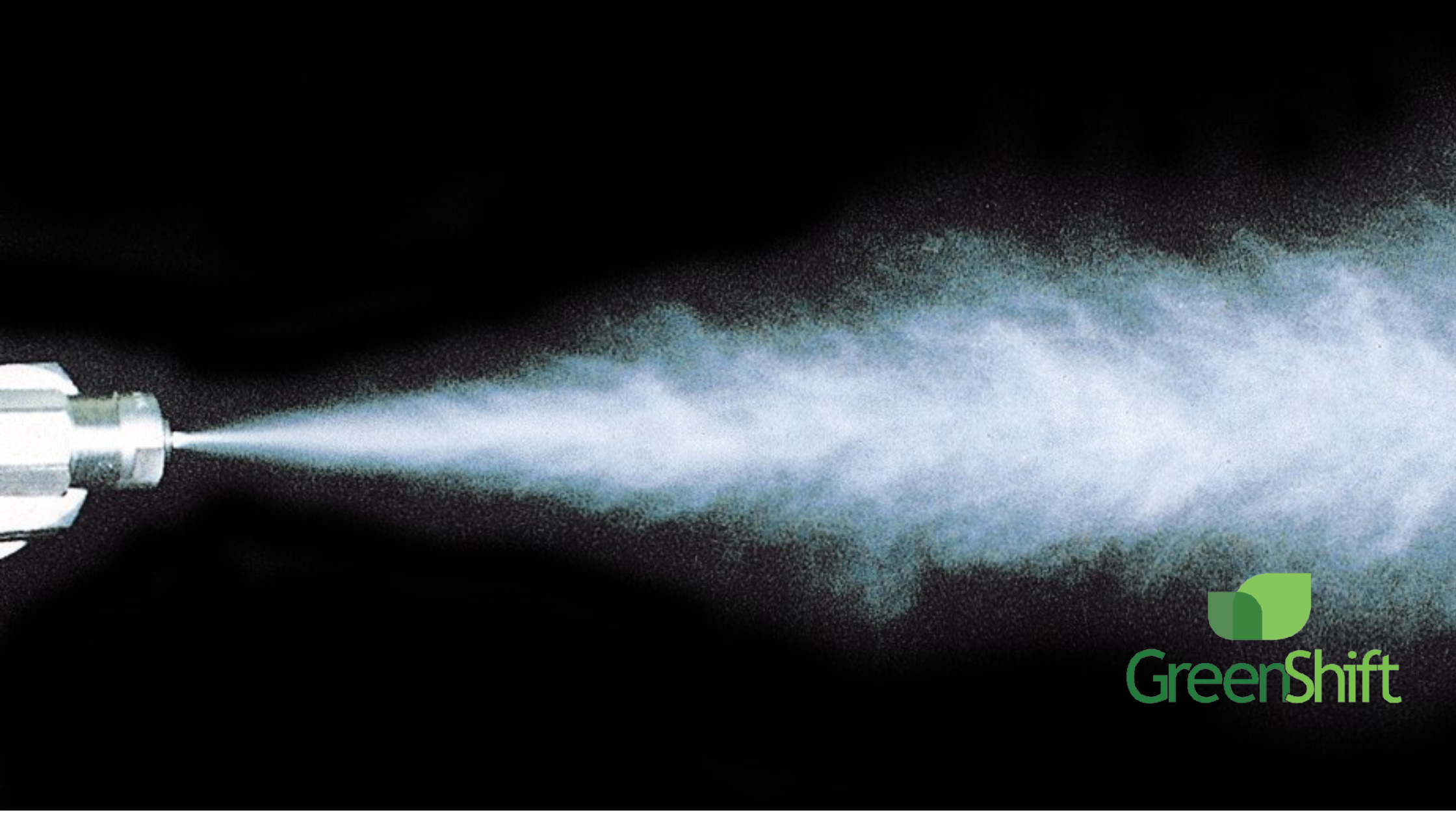
dual fluid dust suppression relies on a smart mix of water and air to fight
dust without the mess. Unlike old-school water sprays that drench everything,
this method creates a fine mist that stays light and effective. Greenshift's
setup uses nozzles to blend the fluids, producing droplets so small they float
and capture dust particles mid-air.
How Dual Fluid Atomization Works
Compressed
air blasts through the nozzles alongside water. This duo shatters the liquid
into tiny bits, often under 10 microns wide. Think of it like a kitchen sprayer
on steroids—air does the heavy lifting to make droplets that won't fall fast.
The result? Better coverage with far less water. You get efficient atomization
that saves resources and boosts performance.
Particle Entrainment and Collision Physics
Those
fine droplets bump into dust specks and stick tight. Physics kicks in: surface
tension pulls the dust down once coated. No heavy wetting needed—just clean air
after the fog does its job. This entrainment process works on both tiny
respirable dust and larger chunks. Sites see dust levels drop by up to 99%,
based on field tests from similar systems.
Comparing Droplet Size to Dust Particle Size
Dust
comes in all sizes, from 2.5-micron breathable bits to 50-micron settleable
grains. Dry fog droplets match the small end, around 5-10 microns, so they
collide easier. Picture raindrops versus a gentle haze—the haze wraps around
dust without splashing. This size match ensures high capture rates, even for
fine PM2.5 particles that evade coarser mists.
Advantages of Greenshift’s Dry Fog System Over Alternatives
Greenshift's
dry fog dual fluid system shines in tough spots where water waste hurts the
bottom line. It skips the pitfalls of wet methods, like clogged equipment and
runoff issues. You end up with clearer air, drier floors, and lower costs over
time.
Radical Water Conservation and Efficiency
Old water
trucks guzzle thousands of gallons a day, but Greenshift's tech uses just
10-20% of that. Nozzles deliver precise fog, so suppression happens with
minimal flow. In mining ops, this cuts water bills and eases strain on local
supplies. Efficiency jumps because every drop counts toward dust capture, not
waste.
Eliminating Slurry and Site Saturation
Excess
water turns sites into sloppy messes—think slick haul roads and stuck vehicles.
Dry fog avoids this by keeping things bone-dry on the ground. No slurry forms,
so you dodge cleanup crews and erosion worries. Workers move freely without the
slip risk that plagues wet systems.
Optimized Performance in Variable Climates
Windy
days or cold snaps kill basic misters, but Greenshift's dual fluid holds up.
The fine fog resists blow-back and won't freeze solid in winter. In arid zones,
it performs without adding humidity that clogs machinery. You get reliable dust
control year-round, no matter the weather.
Key Applications and Real-World Deployment
From open
pits to enclosed plants, Greenshift's dry fog fits where dust flies high. Real
sites report faster ops and fewer shutdowns after install. Let's look at how it
tackles common hot spots.
Bulk Material Handling and Conveyor Transfers
Coal or
ore dumps create massive dust clouds at transfer points. Greenshift nozzles
mount above belts, releasing fog that nabs particles right away. Stockpiles
stay stable, and loaders work without masks. One port operator saw visibility
improve 80% during ship unloads, cutting delays.
Aggregate Processing and Mining Operations
Crushers
and screens spew dust non-stop in quarries. The system integrates into chutes,
suppressing emissions at the source. Haul roads get treated too, keeping trucks
on track. Mines meet MSHA standards easily, with air samples showing sharp
drops in silica levels. ROI hits quick—often under a year from reduced
downtime.
Specialty Industrial Environments (e.g., Cement, Power Generation)
Cement
mills face tight particulate limits indoors. Dry fog nozzles fit into ducts,
clearing air without wetting product. Power plants use it at coal silos to
avoid sparks from static dust. In these spots, the tech ensures zero visible
emissions, helping pass EPA checks. Sensitive setups benefit from the
low-moisture approach that won't rust gear.
Implementation and Operational Considerations
Setting
up Greenshift's dry fog isn't rocket science, but smart planning pays off. You
start with site scans to match the system to your needs. Once running, it
demands little fuss for big gains.
System Sizing and Customization for Specific Dust Loads
Engineers
assess air speed and material type first. For heavy ore, more nozzles mean
denser fog. Fluid ratios adjust—more air for finer mist in windy areas. Custom
kits scale from small conveyors to full quarries. Get it right, and coverage
hits 99% efficiency.
Maintenance Protocols for Maximum Uptime
Keep air
lines clean and nozzles checked monthly. Unlike pump-heavy systems, dual fluid
skips complex parts that break. Inspect for clogs after big runs— a quick wipe
often does it. Reliable compressors ensure steady performance. Teams report 98%
uptime, far above wet alternatives.
Integrating Suppressants and Dust Binders
Add
chemicals through the water line for sticky dust like fly ash. Greenshift
supports eco-friendly binders that boost adhesion. Mix ratios stay simple,
applied via the same nozzles. This enhances hold on fine particles, cutting
re-entrainment. For clay-heavy soils, it prevents wind lift without extra
steps.
Conclusion: Future-Proofing Dust Management with Greenshift
Greenshift
Technologies' dry fog dual fluid dust suppression sets a new bar for clean
sites and safe teams. It slashes water use, ends mud problems, and works in any
weather—delivering real savings and compliance wins. As regs tighten, this tech
keeps you ahead without the hassle.
Key
takeaways include:
Ready to
upgrade? Contact Greenshift for a site audit and see dry fog transform your
dust challenges today.