
greenshiftspraysystems@gmail.com
+91-9830983311
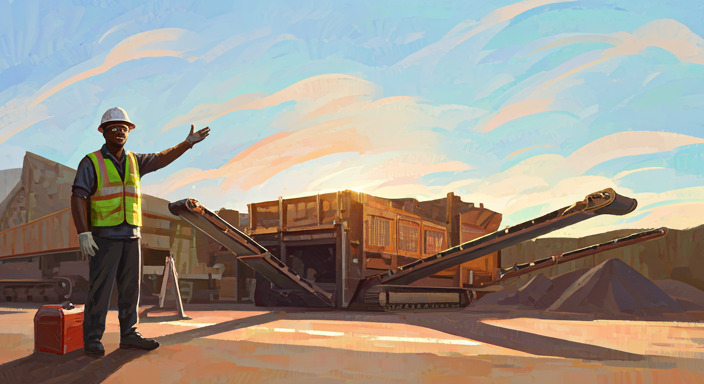
Dust clouds billow across a busy construction site, turning clear air into a hazy mess. Workers cough and shield their eyes as fine particles swirl around heavy machines. You know the scene all too well—dust not only annoys but also harms health and breaks rules. In industries like mining, demolition, and road building, airborne dust poses real risks. It includes tiny bits like PM10 and PM2.5 that sneak into lungs and stay there. Groups like OSHA and the EPA set strict limits to curb these dangers. Good dust suppression systems keep you safe, help meet laws, and cut down on waste. They boost how well your operations run by keeping air clean and machines running smooth. Let's dive into how these tools work and why you need them now.
Understanding
Dust Suppression: Principles and Necessity
Dust
suppression starts with simple ideas. It binds particles so they fall instead
of flying. You apply water, chemicals, or other methods to trap that dust. This
keeps sites safer and more productive.
The
Science Behind Airborne Particles
Dust
comes in all sizes, from big chunks to tiny specks. Smaller particles, under 10
microns, float easy in the air. They stick around longer than larger ones.
Different stuff makes different dust—think dry soil versus crushed rock.
Moisture
plays a key role. Wet dust clumps together and drops fast. Dry air lets
particles bounce free. Add water, and particles link up like kids holding
hands. This cuts how far dust spreads. In hot, dry spots, you fight harder
against wind that lifts everything.
Think of
it like flour on a counter. A quick spray holds it down, but no spray means
clouds everywhere.
Regulatory
Landscape and Health Implications
Laws
demand clean air at work sites. OSHA fines can hit $15,000 per violation for
bad dust control. The EPA tracks outdoor emissions too. Miss the mark, and you
face shutdowns or big penalties.
Breathing
dust leads to tough health issues. Silicosis scars lungs from silica in sand or
rock. COPD makes breathing hard over time. Heart problems link to long-term
exposure as well.
You can't
ignore this. Safe dust control saves lives and money.
Types of Dust Problems Addressed
Fugitive
dust pops up from open piles of dirt or ore. It blows away in wind. Road dust
kicks up from truck tires on gravel paths.
Process
dust rises during crushing or belt moves. It fills the air right at the source.
Atmospheric dust falls back down over wide areas, like near a quarry.
Each type
needs a fit fix. Stockpiles call for wide sprays. Haul roads want binders that
last. Know your main dust source to pick the right tool.
Core Technologies in Dust Suppression Systems
Tech
options abound for dust control. Water methods lead the pack for speed and
ease. Chemicals add staying power. Mechanical ways handle special cases. Pick
based on your site's needs.
Water-Based Suppression Techniques
Water
hits dust fast by knocking particles down. Atomized sprays make fine mist that
sticks better. High-pressure systems push water far and fine. They use less
volume than low-pressure ones.
Low-pressure
works for steady jobs but needs more water. High-pressure saves cash long-term
with better reach. Both cut dust by 70-90% when done right.
Pros of
water: Cheap and quick. Cons: It can make mud or freeze in cold weather.
High-Volume Water Cannons (Fog Cannons)
These
beasts shoot mist over 100 feet. You mount them on trailers for big sites like
demolition zones. They cover stockpiles in one pass.
Throw
distance depends on fan power and nozzle size. Stronger fans go farther but use
more fuel. Water efficiency shines—they drop just enough to bind dust without
waste.
In a
quarry, one cannon can treat a football-field-sized pile in minutes. It beats
hand sprays every time.
Fixed Misting & Spray Systems
Set these
up over belts or crushers. They run on timers or sensors. Nozzles spray in
cones to match the work flow.
Full cone
nozzles wet a wide area even. Hollow cones focus on edges where dust builds.
Pick based on your setup—full for broad coverage, hollow for lines.
They link
to water lines for non-stop action. A transfer point might need 10 nozzles to
catch all dust.
Choose
green options to avoid soil harm. They work where water alone fails, like dry
climates. Apply with sprayers for even coat.
Application
rates run 0.1 to 0.5 gallons per yard. Reapply every 3-6 months based on
traffic. For a mine road, one coat lasts through rainy seasons.
They beat
water sprays for long hauls. Less mess, more stability.
Brine and Hygroscopic Agents
Salts
like calcium chloride draw humidity. They keep roads damp without constant
water. One application works for weeks.
Magnesium
chloride suits colder spots—it melts ice too. It pulls 10 times its weight in
water from air. Spread it with a truck for even cover.
In arid
areas, this saves thousands in water bills. It binds loose gravel fast.
Mechanical and Physical Control Methods
Sometimes
you skip liquids. Enclosures trap dust inside. Fans pull it to filters.
These fit
indoor jobs or tight spots. They pair well with sprays for full control.
Enclosures and Ventilation Systems
Build
booths around screens or bags. Local exhaust vents suck dust away. Filters
catch 99% of particles.
Install
hoods near the source. Ducts lead to a fan and cleaner. In a plant, this clears
air in seconds.
It costs
more upfront but pays in clean ops.
Road Compaction and Traffic Management
Pack down
gravel with rollers. Set speed limits to 15 mph on dirt paths. This cuts dust
lift by half.
Roll
roads weekly. Use signs for slow zones. Water the path first for better pack.
Simple
steps like these prevent big clouds from trucks.
Selecting the Right Dust Suppression Equipment
Match
gear to your site. Think about dust type and weather. Budget matters too—buy or
rent?
Start
with a walk-through. Note hot spots. Test small before full roll-out.
Assessing Site-Specific Requirements
Look at
your material—sandy or sticky? Hot summers dry things fast. Humid spots need
less help.
Suppression
time varies: quick fix or all season? Check water access—city line or well?
In dry
Texas mines, chemicals shine. Wet Florida sites favor mist.
Key Equipment Components Breakdown
Pumps
push water strong. Filters keep lines clear. Nozzles shape the spray.
Build a
system that lasts. Good parts mean less downtime.
Water Pumps and Filtration Systems
Pick
pumps by horsepower—1 HP for small jobs, 5+ for big. They handle 10-50 gallons
a minute.
Filters
stop grit from jams. Clean them daily. A clogged pump wastes power and time.
In dusty
ops, multi-stage filters save nozzles.
Mobile vs. Stationary Units
Trailers
move easy to new sites. You tow one to a fresh demo job. They flex for changing
needs.
Fixed
units bolt in place over belts. They run 24/7 without fuss. A big mine might
use mobiles for piles and fixed for crushers.
One
Arizona operation cut dust 80% with both. Mobiles hit roads; fixed guarded
plants.
Implementation, Monitoring, and Optimization
Set up
smart. Time sprays before dust rises. Hit the "just right"
moisture—too much makes sludge.
Watch for
issues like wind shifts. Adjust as you go.
Best Practices for Effective Deployment
Spray
ahead of loads. Wet stockpiles at dawn. This locks in control.
Aim for
10-15% moisture in soil. Test with a meter. It binds without runoff.
Pair
methods: water first, then chemical seal.
Maintenance and Troubleshooting
Check
nozzles weekly—clear clogs with vinegar. Watch pumps for air bubbles that hurt
flow.
Schedule
oil changes monthly. Fix leaks fast to save water.
Common
fix: Replace worn seals yearly.
Measuring Success and ROI
Use dust
meters for real numbers. Visual checks spot clouds quick. Aim for under 50
micrograms per cubic meter.
Track
wins: Less cleanup saves 20% on labor. Safe sites cut injury claims. No fines
mean steady work.
One firm
saw payback in six months from better air.
Conclusion: Future-Proofing Dust Control Strategies
Dust
suppression systems and equipment form the backbone of safe sites. From water
mists to chemical binds, each tool tackles specific woes. You blend them for
top results—water for now, polymers for later, enclosures for indoors.
Look
ahead to smart tech. Drones spot dust plumes early. Sensors tweak sprays on the
fly. These keep you ahead of rules and risks.
Invest in
dust control today. It guards health, meets laws, and trims costs. Ready to
clear your air? Check local suppliers and start planning your setup now.
For more
information please contact our experts NOW ….