
greenshiftspraysystems@gmail.com
+91-9830983311
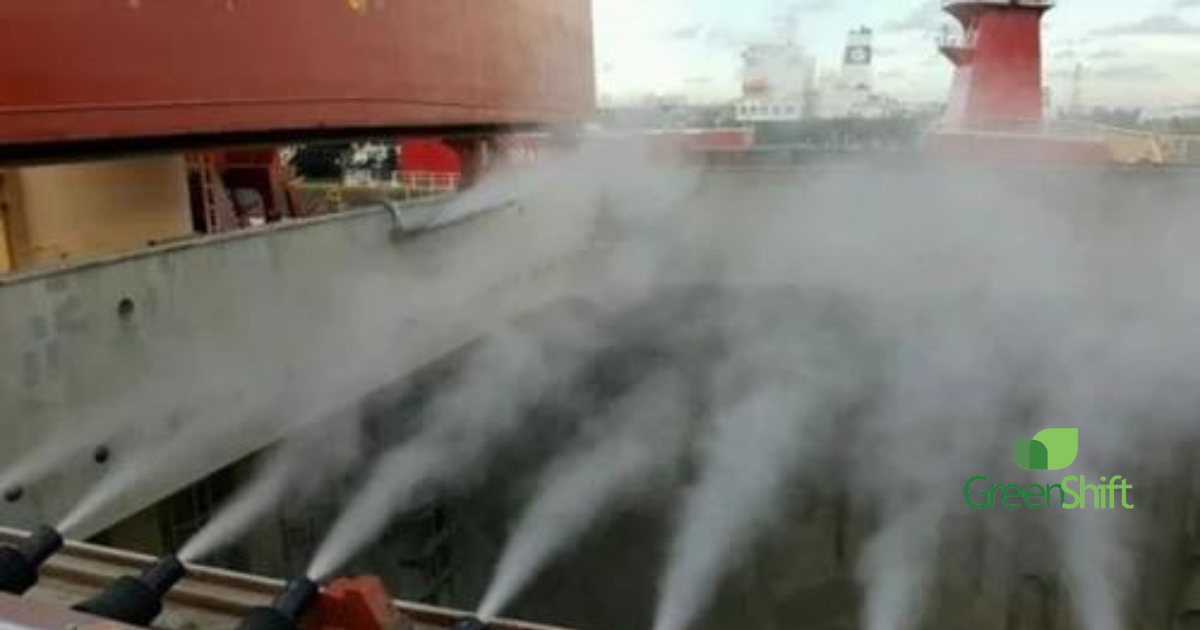
Industrial dust hangs in the air like a silent threat. Fine particles like PM10 and PM2.5 escape from factories, mines, and plants. They harm workers' lungs and dirty the air we breathe. These tiny bits also settle on soil and water, causing bigger problems down the line. You see it in health reports: asthma rates climb near busy sites, and rivers turn murky from runoff.
Old ways
to fight dust often create new messes. Think about the sludge from wet
scrubbers or chemical leaks from road sprays. They trap dust but leave behind
waste that needs its own cleanup. This cycle costs time and money. Now, picture
a better fix. Technically designed spray systems stop dust at the source. They
use smart tech to capture particles without adding extra pollution. No sludge.
No runoff. Just clean air and easy rules to follow. If you run a plant or check
environmental rules, this could change how you handle dust.
Understanding the
Limitations of Conventional Dust Control
Dust
control starts with good intentions. But many standard methods fall short. They
grab particles yet spit out other issues. Water waste, solid trash, or chemical
spills pile up. These problems make compliance tough. Let's break down why
older fixes create more work.
Take wet
scrubbers. They pull dust into water streams. But that water turns thick with
grit. You end up with sludge that clogs pipes or needs special disposal. Water
use runs high too—up to 1,000 gallons per hour in big setups. Disposal fees add
thousands to your bill each year. It's a fix that breaks the budget.
Dry
collectors like baghouses seem simple. Filters catch dust in cloth bags.
Cyclones spin it out with air flow. Yet, if bags tear or seals fail, dust flies
free again. You breathe it in or it drifts outside. Plus, used filters mean
constant trash. Replacement costs hit 20% of your control budget. Maintenance
downtime eats into production.
Chemical
sprays promise quick wins. Salts or sticky polymers coat roads and piles. Dust
sticks down. But rain washes them away. They seep into ground, raising salt
levels or messing with soil life. Groundwater picks up the load, leading to
fines from local watchdogs. One study showed chloride levels double near
treated sites, hurting nearby farms.
These
flaws show why you need a smarter path. Spray systems built with tech fix the
gaps.
The Engineering Principles Behind Zero-Secondary Pollution Spray Systems
Smart
spray systems work like a net for dust. They use fine mists from nozzles tuned
just right. No extra waste flows out. Water stays in the loop. Particles bind
tight without loose ends. This design keeps your site clean from start to
finish.
Engineers
focus on droplet control. Nozzles break water into tiny bits—under 50 microns
wide. These drops wrap around dust like a hug. Dust falls fast, not floating
away. Overspray stays low. You avoid wet floors that lead to slips or runoff.
Efficiency hits 95% capture in tests, beating old sprays by half.
Water
doesn't go to waste. Systems pump it back through filters. Clean drops return
for more use. Output drops to near zero. Compare that to open pipes dumping
dirty flow. One plant cut water loss by 80% with this setup. Filters catch grit
without chemicals. No harm to drains or soil.
Spray
patterns match your needs. At conveyor joins, mists hit exact spots. Dust binds
before it spreads. Less water means no puddles. Piles stay dry on top, wet just
enough inside. Runoff risks vanish. You control where moisture goes, keeping
paths clear and safe.
Think of
it as a targeted rain. It quenches dust thirst without flooding the yard. These
principles make secondary pollution a thing of the past.
Precision Atomization and Particle Encapsulation
Droplet
size matters most. Big drops splash and waste water. Fine ones stick precise.
Ultrasonic nozzles vibrate water into mist. Electrostatic pulls add charge for
better grab. Dust particles coat even, falling as dry clumps.
This
encapsulation traps without dissolve. Particles don't break free in wind. You
see less re-entrainment—dust kicking back up. In labs, these mists hold 99% of
fines under 10 microns. No need for extra binders that pollute later.
Your team
sets the flow. Sensors adjust on the fly. Hot days mean more mist. Cold ones
dial back. This keeps capture steady, no overkill.
Closed-Loop Water Recirculation and Filtration
Recycle
beats dispose. Pumps pull used water to tanks. Screens and membranes clean it
fast. Clear fluid heads back out. Solids settle for easy scoop—no slurry mess.
Big
plants reuse 90% or more. That saves bills and spots. No blowdown means no
permit hassles. Filters last months, not days. You cut labor too.
One key:
auto-backwash. It flushes buildup without stop. System runs smooth, day in,
out.
Minimizing Caking and Runoff Potential
Caking
turns piles to rock. Wrong sprays cause it. Calibrated flows keep things loose.
Dust wets light, binds soft. No hard crust forms.
At
crushers, mists cool and catch. Heat drops, dust grabs. Runoff stays put—no
streams to chase. Sensors watch moisture levels. Too dry? Ramp up. Too wet?
Ease off.
This
setup fits tight spaces. Narrow beams hit belts without side splash. Your floor
stays dry, ops flow free.
Case Studies and Application Specificity in Key Industries
Real
sites prove the point. Mines, handlers, and cement plants swapped old gear for
spray tech. Results show clean air, no extra waste. Savings stack up quick.
Let's look at how it works in action.
In
mining, dust from piles plagues the air. One Australian quarry faced fines for
drift. They installed mist towers around stacks. Fine sprays locked particles
in place. Airborne levels dropped 70%. No water pooled at bases—no leach to
worry. Piles held shape, loaders worked safe. Over a year, they saved $50,000
on water and trash hauls.
Bulk
handling sees dust explode at drops. A U.S. port upgraded chutes with manifold
sprays. Nozzles lined the path, misting exact. Dust capture rose to 92%. Water
use fell 60% from old hoses. No wet cargo meant less dry time. Operators noted
cleaner belts, fewer jams.
Cement
plants battle hot dust. Fine clinker bits fly from kilns. A Texas mill added
cooled mists at coolers. Sprays tempered air, grabbed particles. Sludge stayed
out—solids dried fast for reuse. Temps held steady, no thermal shock.
Production up 5%, compliance checks passed easy.
These
stories highlight fit. Spray systems bend to your flow.
Mining and Aggregates: Controlling Stockpile Dust
Without Water Contamination
Stockpiles
grow tall in aggregates. Wind whips dust far. Targeted mists from poles wrap
the edges. Drops sink in, bind top layers. Core stays dry, stable.
No
saturation means no slide risks. One Colorado site cut drift by 85%. Water
recirculated, zero discharge. Ground stayed pure, no salt buildup.
Rain
tests showed hold. Mists resisted washout. Piles lasted seasons clean.
Bulk Material Handling: Transfer Points and
Conveyor Systems
Chutes
belt out clouds. Sprays at lips catch early. Manifolds pulse short bursts. Dust
falls back to load, not air.
Less
water keeps belts grippy. A grain terminal saved 40% on power—no slip fights.
Enclosed zones stayed under limits.
Sensors
timed hits. Peak loads got boost. Idle times shut off. Efficiency ruled.
Cement and Clinker Processing: High-Temperature
Dust Capture
Heat
makes dust sticky, hard. Cooled mists tame it. Nozzles use chilled water loops.
Particles cool, clump benign.
No
aggressive sludge—material re-enters mix. A European plant reused 80% captured.
Fines dropped, air cleared.
Compliance, Cost-Effectiveness, and Total Cost of Ownership (TCO)
Rules
tighten on dust and waste. Spray systems ease the load. No secondary output
means simple reports. Costs drop across the board. You gain peace, profit.
EPA
watches close. NPDES rules cap discharges. Zero-flow setups pass audits fast.
No sampling fights. Local boards nod quick.
Water
bills shrink. Old wet gear guzzles—new ones sip. One metric: 200 gallons per
ton saved. Maintenance dips too. No scale from chems clogs lines.
Gear
lasts longer. Low volume spares pumps. Nozzles swap rare. Downtime? Under 2%
yearly. TCO falls 30% in five years.
Meeting Stringent Environmental Regulations
(EPA/Local Authorities)
Permits
come smooth. Systems log data auto. Zero secondary proves green. Fines?
History.
Reports
show capture rates. Inspectors see clean sites. You focus on work, not paper.
One firm
dodged $100k levy. Sprays met limits cold.
Water Conservation Metrics and Operational Savings
Use drops
sharp. 70-90% less than scrubbers. Bills halve.
Less
corrosion means cheap fixes. Pumps run cool, last years.
Energy
saves too. No heavy sludge moves.
System Durability and Reduced Maintenance Downtime
Builds
tough. Stainless steels fight rust. Low flow eases strain.
Checks
quick—monthly wipes. No deep cleans.
Uptime
soars. Production rolls steady.
Conclusion: Future-Proofing Industrial Dust Management
Dust
control shifts from chase to stop. Technically designed spray systems end the
secondary pollution loop. They grab particles clean, reuse water smart, and fit
your site perfect. No sludge, no runoff—just results.
You get
healthier air, lower costs, and easy rules. Industries like mining and cement
thrive with this tech. It's prevention, not patch. Step up to sprays that
deliver zero extra mess. Your operations—and the planet—win big.
Mastering Industrial Dust Pollution Control:
Precision Spray Systems, Nozzles, and Rain Gun Technology
Dust
hangs in the air like a thick fog at busy industrial sites. It comes from
handling coal, minerals, or aggregates, and it harms workers' lungs and nearby
communities. Simple methods like covers or barriers often fail to stop fine
particles from spreading far.
Engineered
spray systems change that. They use nozzles and rain gun sprinklers to release
water droplets that trap dust right where it forms. These tools cut pollution
and meet safety rules with smart design.
Understanding the Science of Dust
Suppression Through Atomization
Water
droplets break into tiny bits through atomization. This process turns plain
water into a mist that grabs airborne dust. It works better than dumping water
everywhere.
Dust
particles float and scatter without control. Spray systems fight back by
matching droplet size to those particles. You get cleaner air and less mess.
Particle Size Dynamics and Capture Efficiency
Fine dust
like PM2.5 or PM10 slips through filters easily. Droplets need to be
small—around 10 to 50 microns—to collide and stick. A good match boosts capture
by up to 90 percent.
Think of
it like Velcro. Larger droplets miss tiny particles, but the right size pulls
them in. Engineers tweak the ratio so one droplet snags many specks.
This
setup cuts dust escape in processing plants. Sites handling ore see big drops
in haze after tweaks.
Key Principles: Inertial Impaction and Wash-Out
Effects
Droplets
move fast and bump into dust via inertial impaction. The dust can't dodge the
path, so it sticks. This happens in windy spots like conveyor belts.
Wash-out
keeps things down once wet. Moisture weighs particles to the ground and stops
them from kicking up again. No more dust storms from trucks.
These
forces team up for strong suppression. Factories report less re-entrainment
after installing such systems.
Environmental and Regulatory Compliance Drivers
Rules
from OSHA limit worker dust exposure to 5 mg per cubic meter. EPA watches
outdoor pollution too. Fines hit hard if you ignore them.
Spray
tech helps you stay legal with low water use. It targets dust sources to meet
standards without waste. Many plants avoid shutdowns this way.
Local
laws push for cleaner air in mining areas. Good systems show you care about
health and the planet.
Precision Engineering: Specialized Nozzle Systems for Targeted Dust
Control
Nozzles
act like sharpshooters in dust fights. They deliver mist exactly where needed,
saving water and effort. Design matters for real results.
You pick
nozzles based on the job. Full cone types spread wide for open areas. Hollow
cones focus on edges.
These
tools fit tight spaces in factories. They turn high pressure into fine sprays
that last.
Selecting Optimal Nozzle Types for Dust Suppression
Full cone
nozzles spray evenly over belts or chutes. They handle medium dust loads with
30 to 60 degree angles. Flow rates stay low at 1 to 5 gallons per minute.
Hollow
cone versions create rings of mist for stock edges. Atomizing nozzles go finer,
needing 100 psi or more. They suit very dry materials like cement.
Choose by
site: wide angles for yards, narrow for tunnels. This keeps dust down without
soaking gear.
System Design Factors: Pressure, Flow Rate, and
Manifold Placement
Pressure
shapes droplets—higher means smaller and better capture. Aim for 50 to 150 psi
in most setups. Too low, and water just drips.
Flow rate
ties to nozzle count. A manifold with 10 nozzles might need 20 gpm total. Place
them close to dust points for max hit.
Uniform
coverage comes from smart layout. Pipes run along walls or ceilings to blanket
the area. Tests show even spacing cuts blind spots by half.
Case Study Snapshot: Nozzles in Material Transfer
Points
At a coal
loading chute, flat fan nozzles spray across drops. Dust drops 80 percent
before it spreads. Workers breathe easier.
Belt
transfer stations use air-assisted nozzles. They mix mist with wind to reach
hidden spots. One mine cut violations after this switch.
These
installs prove nozzles work at the source. Quick setup pays off in clean ops.
High-Volume Coverage: The Role of Rain Gun Sprinklers in Large-Scale
Operations
Rain guns
cover big areas that nozzles can't touch. They throw water far for stockpiles
or yards. Think of them as heavy hitters in open fields.
Unlike
pinpoint sprays, these handle wind and height. They wet deep to stop erosion.
Plants with huge piles rely on them.
You get
broad protection without constant tweaks. They fit rough ground and big jobs.
Technical Specifications of Industrial Rain Guns
Impact
rain guns spin with water force, reaching 100 feet or more. Gear-driven ones
adjust speed for even patterns. Throw distance hits 200 feet in flat spots.
Trajectory
tilts from 10 to 30 degrees to arc over piles. Flow rates run 50 to 200 gpm at
40 to 60 psi. Brass or plastic heads last in dust.
Adjust
for wind—higher arcs beat gusts. Specs match site needs for solid coverage.
Strategic Deployment for Stockpile and Yard
Management
Place
guns on towers around coal heaps. They form a moisture curtain to block wind
lift. One layer wets the top 6 inches.
For
mineral yards, mobile units roll to hot spots. Fixed posts guard fixed piles.
This setup cuts dust lift by 70 percent in tests.
Aim
nozzles downwind for max effect. Teams map sites to avoid dry patches.
Water Management and Runoff Mitigation in Sprinkler
Systems
Too much
water causes puddles and slips. Control rates to 0.1 inches per hour for
balance. Timers shut off after wetting.
Sloped
ground needs catch basins to handle flow. Recirculate clean water to save
supplies. This keeps soil stable.
Smart use
drops total draw by 40 percent. No erosion means less cleanup.
System Integration, Automation, and Optimization for Industrial
Applications
Tie
sprays into your plant's flow for ease. Sensors kick them on as needed. It
feels like the system thinks ahead.
Automation
saves hassle and cash. Harsh spots demand tough builds. Keep it running with
simple checks.
Full
setups boost output without extra work.
Sensor Integration and Automated Demand-Based
Spraying
Dust
monitors spot PM levels over 1 mg/m³ and start sprays. No guesswork—valves open
in seconds. This cuts water by 60 percent.
Proximity
sensors catch truck loads before dust flies. Link to PLCs for plant-wide
control. Quiet times stay dry.
Real-time
data logs help fine-tune. You see what works best.
Corrosion Resistance and Material Selection in
Harsh Environments
Stainless
steel nozzles fight rust from salty water. Polymers coat pipes against
abrasives. They hold up in mines or ports.
Pick
based on pH—acids need tougher alloys. Seals use EPDM for flex. This extends
life to 10 years.
Test fits
for your setup. Strong parts mean fewer fixes.
Clean
nozzles weekly to stop clogs from minerals. Use soft brushes and flush lines.
Check spray patterns monthly.
Test
pressure drops with gauges. Replace worn parts like o-rings yearly. Train staff
on quick scans.
Simple
steps keep output steady. Downtime drops fast.