
greenshiftspraysystems@gmail.com
+91-9830983311
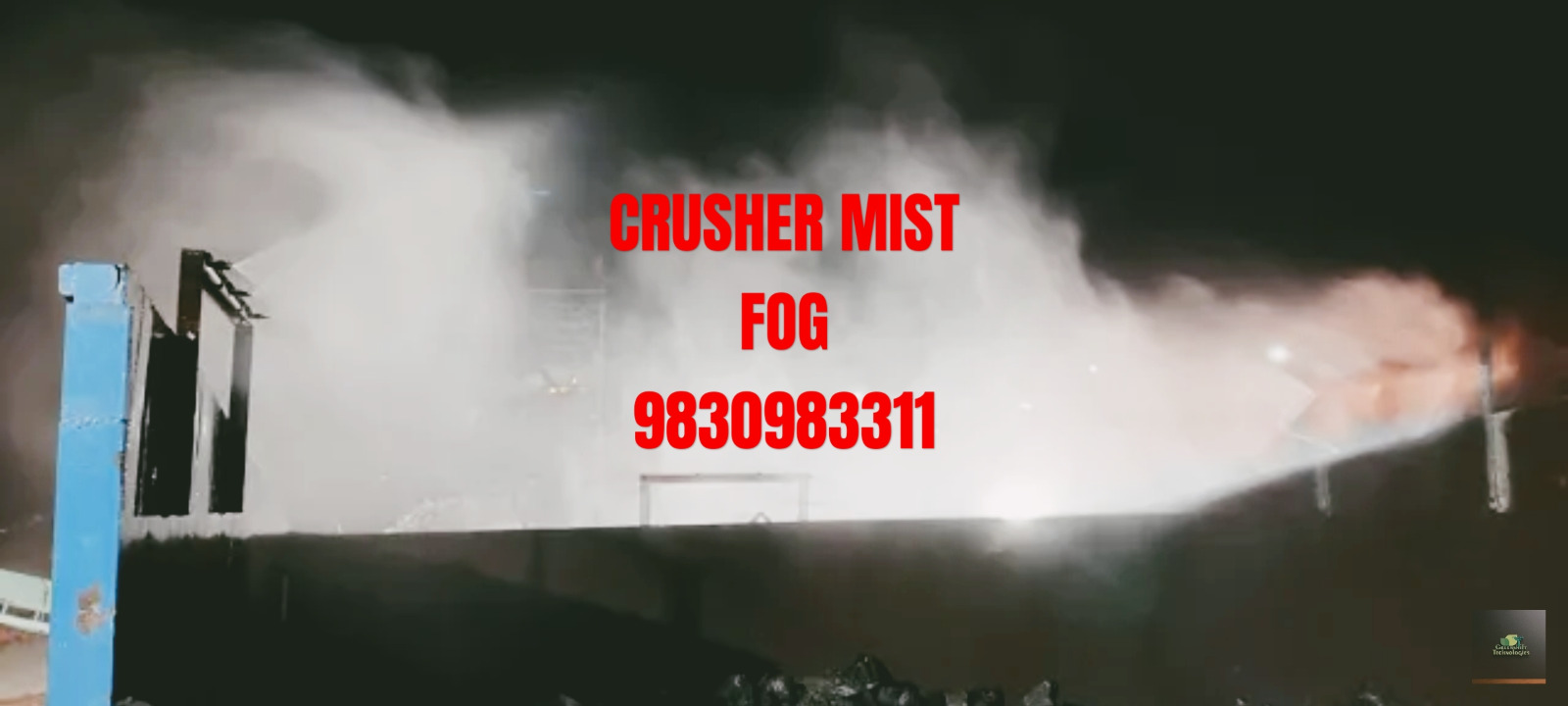
Dust clouds choke the air around stone crushers. Workers breathe it in every shift, and it sticks to everything. In aggregate production, this fine powder from crushed rock causes real harm, from lung damage to hefty fines. Stone crusher mist fog dust suppression systems cut this risk at its root by turning water into a fine mist spray dust suppression that traps particles before they spread. This guide covers why you need these systems, how they work, their benefits, and steps to install one. You'll see how they keep sites safe, compliant, and running smooth. Plants to install rain gun sprinklers all around the plant boundary wall.
Understanding the
Regulatory and Health Imperative for Dust Control
Dust
control in quarries isn't just good practice. It's a must for worker health and
legal reasons. Stone crusher mist fog dust suppression systems help meet these
demands by targeting dust right where it forms.
The Dangers of Respirable
Crystalline Silica (RCS) Exposure
RCS comes
from crushing rocks like granite or sandstone. It breaks into tiny particles
under 10 microns that lodge deep in lungs. Over time, this leads to silicosis,
a scarring of lung tissue that makes breathing hard.
Workers
also face higher risks of chronic obstructive pulmonary disease (COPD) and lung
cancer. The National Institute for Occupational Safety and Health (NIOSH)
reports thousands of cases each year in mining and construction. OSHA sets a
permissible exposure limit (PEL) of 50 micrograms per cubic meter over an
eight-hour shift. Exceed that, and you face inspections and shutdowns.
Breathing
RCS even at low levels builds up over years. It weakens the immune system and
causes inflammation. Many former quarry workers retire early due to these
effects.
Navigating Environmental
Compliance and Fines
Agencies
like the EPA watch air quality closely in industrial areas. Dust from crushers
can drift off-site and pollute neighborhoods. Non-compliance means big penalties,
often starting at $15,000 per day.
States
add their own rules on particulate matter. In California, the Air Resources
Board fines operations for visible emissions beyond set limits. Shutdowns halt
production, costing thousands in lost revenue.
You can
avoid this by installing suppression early. Regular audits show compliance and
cut legal headaches. Fines add up fast, so prevention pays off.
Nuisance Dust vs. Hazardous
Dust: Defining the Target
Nuisance
dust is larger, visible stuff that annoys but doesn't harm much. It settles
quick and affects comfort more than health. Hazardous dust, like RCS, stays
airborne and goes straight to the lungs.
Suppression
systems must hit both types. Fine mists capture small particles that filters or
water sprays miss. Focus on respirable dust first, as it drives most risks.
In
crushers, dust peaks at transfer points. Target those spots to control spread.
This keeps air clear for everyone on site.
The Science Behind Stone
Crusher Mist Fog Dust Suppression
These
systems use water mist to knock dust out of the air. They work best at the
source, like crusher outlets. High-pressure tech makes them effective without
wasting resources.
Principles of High-Pressure
Atomization and Particle Capture
Nozzles
blast water at 1,000 psi or more. This breaks it into droplets of 10 to 50
microns, close to dust size. When they meet, the mist wraps around particles
and pulls them down.
Collision
happens fast in the fog cloud. Larger droplets would just push dust away. Small
ones stick better, with capture rates up to 90% in tests.
Physics
plays a key role. Dust and mist mix in turbulent air from the crusher. Gravity
then drops the wet clumps to the ground or conveyor.
System Components and
Configuration
A basic
setup includes a high-pressure pump to push water through lines. Filtration
units keep nozzles clear of minerals or debris. Misting rings or cannons mount
around transfer points.
For jaw
crushers, place rings at the feed and discharge. Cone crushers need coverage at
screens below. Piping runs along frameworks, with valves for quick shutoff.
Automated
controls use sensors to start the mist only when dust rises. This setup fits
most plants without major changes.
Water Consumption
Efficiency and Recycling Capabilities
Old
methods douse areas with gallons of water. Mist systems use far less, often
under one gallon per ton of material. They focus the spray where dust forms.
Runoff
stays low because most water evaporates or binds to dust. Some designs add
collection trays to reuse gray water. This cuts fresh water needs by half in
dry areas.
You save
on bills and meet conservation rules. Filters clean recycled water for repeat
use. Efficiency makes these systems practical for remote sites.
Key Advantages of
Implementing Fog Suppression in Crushing Plants
Fog
suppression does more than check boxes. It boosts safety, cuts costs, and keeps
operations humming. Quarry managers see quick wins after install.
Immediate Improvements in
Worker Safety and Visibility
Clear air
means fewer respirators on hot days. Workers spot hazards better without dust
in their eyes. Visibility rises by 50% or more at key spots.
Air
quality tests before and after show drops in particle counts. Ground crews move
faster with less cleanup. Operators focus on tasks, not wiping screens.
Tip: Run
baseline air samples, then retest monthly. This proves your system's impact to
inspectors and staff.
Enhanced Equipment
Longevity and Reduced Maintenance Costs
Dust
grinds into bearings and clogs filters. It shortens motor life by wearing
seals. Suppression keeps parts clean and dry.
Crushers
run longer between services. Sensors stay accurate without abrasive buildup.
Downtime falls, often by 40-50% in dusty plants.
Maintenance
teams spend less time on cleanups. This frees them for real repairs. Over a
year, savings add up in parts and labor.
Cost-Benefit Analysis: ROI
on Dust Suppression Technology
Install
costs range from Rs.400000 for small setups to 1000000 for full plant dust
suppression system. Fines alone can top that in one violation. Health claims
from sick workers cost even more.
Systems
pay back in 10-12months through lower fines and downtime. Energy use stays low
with on-demand operation. Long-term, they shield against rising insurance
rates.
Compare
your site's dust levels. Factor in production halts. The numbers show clear
value.
Selecting and Integrating
the Optimal Dust Suppression Solution
No two
quarries match perfectly. Pick a system that fits your layout and output. Start
with an expert walkthrough to get it right.
Site-Specific Assessment:
Determining Water Flow and Coverage Needs
Check
your rock type first. Wet sand needs less mist than dry limestone. Measure
friability to predict dust volume.
Calculate
flow: Aim for 0.5-2 gallons per minute per nozzle. Map emission points like
belts and hoppers. This sizes the pump and nozzle count.
Bring in
a specialist for airflow studies. They use tools to spot weak areas. Proper
assessment avoids under- or over-buying.
Automation and Integration
with Existing Plant Controls
Manual
sprays waste water and miss peaks. Link to flow sensors that trigger mist on
startup. Variable speed pumps match demand.
Tie into
your SCADA system for remote tweaks. This runs only during crushes, saving 40%
on water. Alarms alert for clogs or low pressure.
Upgrades
add little cost if you plan ahead. It makes the plant smarter overall.
Installation Best Practices
and Post-Installation Calibration
Mount
nozzles at 45-degree angles for even spread. Secure pipes with vibration
dampers near crushers. Test for leaks before full run.
After
setup, calibrate with smoke tests. Adjust for full zone coverage. Train staff
on daily checks.
This
ensures peak performance from day one.
Conclusion: The Future of
Clean and Compliant Aggregate Processing
Stone
crusher mist fog dust suppression systems transform risky sites into safe ones.
They tackle health threats, meet regs, and save money through better
efficiency. From atomized mist that captures particles to automated setups that
cut waste, these tools deliver real results.
Quarries
that adopt them now stay ahead. Workers breathe easier, equipment lasts longer,
and operations avoid costly stops. Invest in one tailored to your needs, and
you'll build a stronger, greener plant for years to come.