
greenshiftspraysystems@gmail.com
+91-9830983311
Water
management is the backbone of any large-scale pollution control or irrigation
System operation. Whether you manage a commercial farm, a mining site, or a
massive landscaping project, a standard hose is not enough. You need power,
volume, and control. Industrial rain gun and sprinkler with proper design &
Engineering provide the muscle required to cover thousands of acres. They move
large volumes of water with precision, keeping crops healthy and dust levels
down. These systems are essential for modern site management because they save
time and labour.
Understanding Industrial Rain Gun and Sprinkler Systems
Standard
garden sprinklers cannot handle the pressure or flow rates needed for industry.
Industrial rain gun and sprinkler systems are built for heavy-duty work. They
use high-pressure pumps and specialized heads to throw water over long
distances. Unlike residential units, these systems operate under extreme
conditions. They are made of casting or brass, high-grade plastic, to handle
intense daily use without breaking down or stoppage.
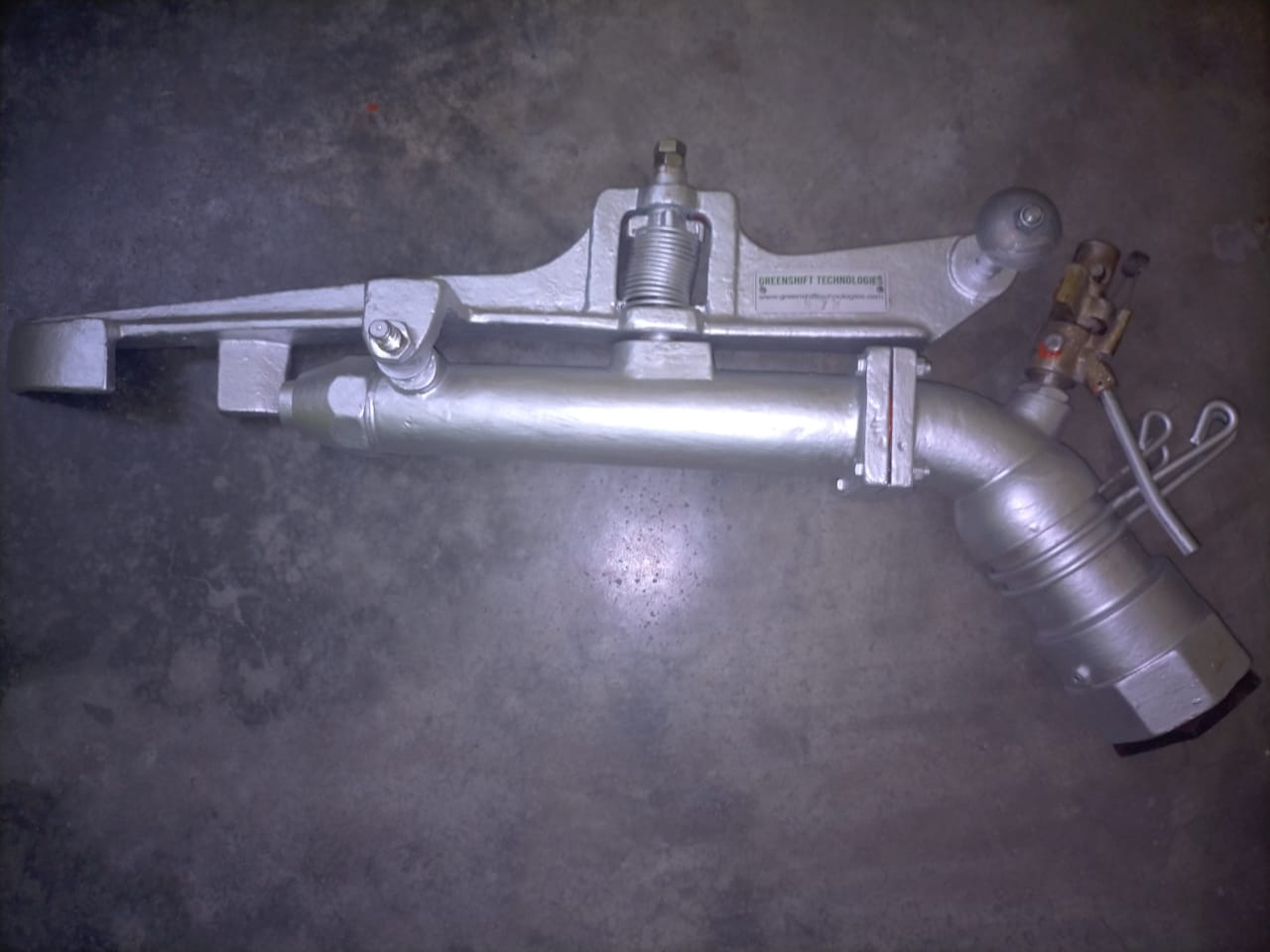
What are Industrial Rain Guns?
A rain
gun is a high-volume sprinkler that uses a single, powerful nozzle. It relies
on a rotating arm mechanism to sweep the water across a wide radius. These
units are perfect for situations where you need to move a lot of water quickly.
They operate at high pressure, allowing for a long throw distance of over 100
feet in many cases. The design often includes a speed control for the rotation.
This ensures even coverage even if the wind is blowing.
What are Industrial Sprinklers?
Industrial
sprinklers are more diverse than rain guns. You might use impact sprinklers for
general field irrigation or rotor sprinklers for more controlled patterns.
These heads often work in a grid to ensure total coverage. Unlike the
single-nozzle rain gun, these systems focus on overlapping patterns to prevent
dry spots. They are adjustable, allowing you to change the spray arc or nozzle
size based on your specific needs.
Key Components and Technology
The
system is more than just the head at the end of the line. It starts with the
pump station, which provides the necessary flow and pressure. Strong piping,
usually made of PVC or steel, carries the water to the site. Valves control
where the water goes, and modern controllers automate the entire cycle.
Variable speed drives on pumps help save electricity by matching motor speed to
the water demand. This technology keeps the system running smoothly without
wasting energy.
Benefits of Industrial Rain Gun and Sprinkler
Systems
Efficiency
is the primary goal for any industrial operation. Properly designed irrigation
pays for itself through water savings and higher output. When you install these
systems correctly, you stop wasting money on poor distribution or system
failure.
Enhanced Water Efficiency and Uniformity
Uniform
water application is critical for consistency. If one part of a field gets too
much water and another too little, you lose yield. Professional systems are
designed to overlap sprays. This overlap creates an even distribution of water
across the entire zone. By reducing evaporation and runoff, these systems can
cut water usage by up to 20% compared to inefficient flooding methods.
Cost-Effectiveness for Large Areas
For
large-scale sites, the math works in your favour. A few high-capacity rain guns
can do the work of dozens of smaller sprinklers. You pay less for parts, less
for piping, and less for installation labour. Mining and agriculture sectors
see the biggest gains here. Maintaining a smaller number of high-quality units
is cheaper than repairing a sprawling network of small, fragile heads.
Versatility in Industrial Applications
These
systems adapt to many different environments:
Improved Productivity and Yields
When your
irrigation works well, your business performs better. Farmers see healthier
crops with higher growth rates. Mine operators keep workers safe by controlling
dust, preventing costly work stoppages. A consistent water source allows you to
plan your operations around the weather rather than at the mercy of it.
Types of Industrial Rain Gun and Sprinkler Systems
Choosing
the right hardware depends on your field shape and the task at hand. There is
no one-size-fits-all solution for large-scale watering.
These are the heavy hitters of agriculture. Centre
pivot systems use a series of sprinklers mounted on a long, motorized
structure. The system rotates around a central point, covering a circular area
of hundreds of acres. Linear systems move in a straight line, making them ideal
for large, rectangular fields. These systems are highly automated and provide
the most uniform coverage available.
Traveling Sprinklers / Big Guns
Traveling
sprinklers, often called big guns, are standalone units. They consist of a
large rain gun mounted on a wheeled cart. A hose connects the cart to a water
source. As the gun operates, a cable or water pressure pulls the cart across
the field. They are flexible and great for irregular field shapes where fixed
structures won't fit.
Stationary Impact and Rotor Sprinklers
These
units are fixed in place. They are simple, reliable, and durable. You often see
them in mining sites or construction areas where dust control is the main
priority. They sit on stands or risers and spray water in a set pattern.
Because they have fewer moving parts, they are easy to fix and maintain.
Hybrid and Specialized Systems
Sometimes
you need a mix. You might use a centre pivot for the main field and use
stationary rain guns to cover the corners or odd edges. Custom systems are
common in complex industrial sites where water needs to be applied around
buildings or irregular terrain.
Designing and Implementing an Industrial Irrigation
System
A system
is only as good as its design. You must account for your specific environment
before you buy a single pipe or nozzle.
Site Assessment and Water Source Evaluation
First,
look at your soil type. Sandy soil absorbs water fast, while clay holds it
longer. Your irrigation rate must match the soil's intake rate to prevent
runoff. Second, test your water source. Is the flow rate sufficient? Does the
water quality have high salt content or minerals that could clog nozzles?
Knowing your water pressure and volume at the source is the most important
step.
System Selection Criteria
Choose
your hardware based on your goal. Are you looking for dust suppression or crop
growth? Dust suppression requires heavy, coarse droplets that resist wind. Crop
irrigation often needs finer droplets for better absorption. Match the nozzle
size to your pump’s capacity to ensure you have enough pressure to achieve the
desired throw distance.
Installation Best Practices
Always
use professional-grade pipe and fittings. Poor installation leads to leaks,
which waste water and erode soil. Bury your main lines deep enough to protect
them from heavy machinery traffic. Ensure that all riser pipes are vertical so
the sprinkler head rotates evenly. If you are using a large system, have a plan
for how to move it if needed.
Automation and Control Options
Modern
controllers change the game. You can use timers to run systems at night to
reduce evaporation. Soil moisture sensors act as a safety switch, stopping the
system if the ground is already wet. Weather stations can even adjust the
schedule based on rain forecasts. These tools take the guesswork out of the
process.
The Future of Industrial Irrigation Technology
Technology
is pushing irrigation to be more precise and sustainable. The next generation
of tools will focus on data and automated decision-making.
Smart Irrigation and IoT Integration
The
Internet of Things (IoT) allows you to monitor your system from a phone or
computer. You can track real-time flow data and receive alerts if a pipe
bursts. This remote monitoring saves hours of manual inspection time. It allows
for predictive maintenance, where you fix a part before it actually fails.
Advanced Nozzle and Sprinkler Head Designs
New
nozzle designs are better at resisting wind. They create more uniform droplet
sizes, which reduces drift. This means more water lands exactly where you want
it. Some heads now include flow-control features that keep the throw distance
constant even if the system pressure fluctuates.
Sustainable Water Management Practices
Industry
is under pressure to reduce its water footprint. Advanced systems help meet
these goals by providing high precision. By using fewer inputs and less water,
businesses lower their operational costs while following environmental laws.
Efficient water use is no longer optional; it is a core part of responsible
business operations.
Conclusion:
Investing
in the right industrial rain gun and sprinkler systems is a commitment to
performance. These systems are not just tools; they are assets that protect
your property and ensure your operation runs smoothly. Whether you are
controlling dust on a mine site or maximizing yield on a farm, the right
equipment makes the difference. Focus on proper design, keep up with routine maintenance,
and watch for new technology to improve your results. Take the time to assess
your current needs and upgrade your irrigation approach today. Success in your
field starts with the water you put into it.