
greenshiftspraysystems@gmail.com
+91-9830983311
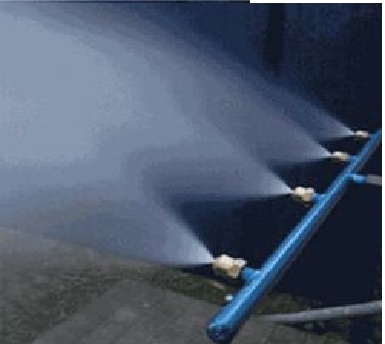
Dust in
industrial sites creates real problems. It coats machines, hurts worker lungs,
and keeps you from meeting strict environmental rules. When dust fills the air,
it slows down work and increases maintenance bills. You need a way to stop dust
before it spreads. An industrial dust suppression system by raingun sprinkler
is a powerful, low-cost way to clean your work environment. This guide explains
how these systems work and how to set them up for the best results.
Heavy
dust is a common issue in mining, construction, and manufacturing. Tiny bits of
stone or chemical powder drift through the air, causing health risks and gear
damage. Workers often need extra breaks or safety gear just to stay
comfortable. Beyond that, local laws often demand you keep dust levels low. A
well-designed sprinkler system turns water into a barrier against these
floating particles. It is a simple, effective fix for a messy, costly problem.
How an Industrial Dust Suppression System by Raingun Sprinkler Works
The core
of a raingun system is its ability to turn water into a fine mist. Standard
hoses just soak the ground, but they do little for the dust already in the air.
A raingun uses high pressure to break water streams into tiny droplets. These
droplets are small enough to stay in the air for a longer time, floating right
where the dust exists.
When a
water droplet hits a dust particle, the dust gets wet and heavy. Gravity then
pulls the now-heavy particle down to the ground. This process cleans the air
quickly. The trajectory of the spray is also key. By pointing the water in a
specific arc, the system covers a wide area. This ensures that the water cloud
catches dust as it tries to rise from piles or heavy machinery.
Water Efficiency and Reduced Runoff
Old
sprinkler systems waste a massive amount of water. They create muddy puddles
and uncontrolled runoff that can violate environmental rules. A modern raingun
system works differently. Because the water breaks into such small droplets,
less water does more work. You do not need a flood of water to get results.
Precise
control means you only spray where you need to. You can adjust the nozzle and
the pressure to target high-dust areas without drenching the entire site. This
precision saves money on water bills and pumping costs. It also keeps your site
dry and safe for heavy equipment to move around. By targeting the source of the
dust, you maximize the impact of every drop.
Coverage Area and Strategic Placement
Rainguns
throw water much further than standard sprayers. Depending on the model, a
single unit can cover a huge radius. This capability allows you to place them
in corners or at the edges of a site. You want to place units so the spray
moves across the wind. If the wind carries dust in a certain direction, place
the raingun so the water curtain intercepts the airflow.
Strategic
placement also includes knowing where your dust comes from. Is it a rock
crusher, a truck path, or an open storage pile? Identify these hotspots and
place your rainguns to blanket these zones. You might need one large gun or a
row of smaller ones depending on the size of your facility.
Enhanced Workplace Safety and Health
Cleaner
air is the biggest benefit of using a raingun system. Dust leads to respiratory
issues like coughing and chronic lung problems. When you reduce dust, you
reduce the number of sick days your workers take. Clean air also makes the
workplace more comfortable. Employees can see better and work without constant
respiratory protection. This simple change leads to higher morale and fewer
health claims.
Extended Equipment Lifespan and Reduced Maintenance
Dust is
an abrasive substance. It gets into motors, gears, and belts. Over time, this
grit acts like sandpaper, grinding down parts and causing failures. When your
equipment breaks, your output stops. By controlling dust with a water system,
you keep those parts clean. Your machines will last longer, and you will spend
less time and money on repairs. A machine running without thick layers of grime
will naturally stay cooler and perform better.
Environmental Compliance and Sustainability
Government
agencies set strict limits on airborne dust. If your site generates too much,
you face fines or even closure. A raingun system helps you stay in the clear.
By keeping dust down, you meet your regulatory goals without complex filters or
chemicals. Using water efficiently also helps your brand image. It shows you
care about the local air quality and the environment. You avoid the runoff
issues that come with poor water management, keeping your operation in good
standing.
Site Assessment and System Design
Before
you buy a system, look at your site. Map out where dust forms during the day.
Note the wind direction, as it determines where your dust travels. Check your
water pressure and electricity, too. These factors decide which raingun model
you need. A good plan might use a central pump that feeds several guns.
Designing the layout correctly the first time prevents "dead zones"
where dust can still escape. Talk to a specialist if you have a complex site
layout.
Selecting the Right Raingun Sprinkler
Not all
rainguns are the same. You need a model that fits your job. Think about the
required throw distance. Do you need to cover a small pile or a huge open yard?
Some guns offer adjustable nozzles. You can change these to get a wider spray
or a longer reach. Pressure is another key factor. If your pump pressure is
low, the water will not atomize properly. Match your pump capacity to the
sprinkler’s requirements. A well-matched system ensures you get that fine mist
instead of just heavy droplets.
Installation and Operational Best Practices
Install
your rainguns on solid, stable stands. Ensure the plumbing is sealed tight to
prevent leaks. You should use a filter to keep debris out of the pipes. If sand
or grit gets into the nozzle, it will clog and ruin the spray pattern. Keep a
maintenance log. Check the nozzles for clogs and clean them regularly. Adjust
the arc and the timer settings based on the season. In the summer, you might
need more water. In the winter, you might need less.
Mining Operations and Aggregate Processing
Mining
sites create massive amounts of dust during rock crushing. One gravel quarry
installed a series of rainguns around their primary crusher. They placed the
units to spray over the conveyor belts. The results were clear. Air quality
monitors showed a drop in dust levels within the first week. They were able to
meet local air standards and stop using expensive water trucks on the main haul
roads. The equipment near the crusher lasted longer because it stayed free of
stone dust.
Construction Sites and Demolition Projects
Construction
projects are temporary but need fast solutions. On a large demolition site,
dust can upset the neighbors. One company used movable raingun kits. They
hooked these to standard fire hydrants. As the crew moved to a new section of
the building, they moved the rainguns. This kept the dust down during the whole
project. The site stayed compliant and avoided complaints from nearby
businesses.
Agricultural Dust Management
Grain
handling sites often have high dust levels. This is a fire risk as well as a
health risk. Raingun systems help by keeping the air moist around grain
elevators. They also work in cattle feedlots to stop dry soil from blowing into
nearby housing areas. A light mist keeps the ground crust stable without
creating mud. It improves the environment for both the animals and the people
working nearby.
Integration with Smart Technology and Automation
The
future of dust control is automation. You can now add sensors to your raingun
system. These sensors detect when the air quality drops or when dust levels get
high. When the sensor triggers, the system turns on. This saves water because
it only sprays when needed. You can link these to a weather station as well. If
the wind speeds up too much, the system can automatically adjust to make sure
the water stays on target.
Advancements in Water-Saving Technologies
New
nozzles are coming out that improve atomization even more. They make smaller
droplets with less water pressure. These parts are often made of harder
materials that resist wear. This means your system stays accurate for years
without needing part replacements. These tech jumps make it easier for small
businesses to manage dust without big costs.
Conclusion:
An
industrial dust suppression system by raingun sprinkler is a simple investment
with big returns. You gain a safer workplace, longer-lasting machines, and full
compliance with environmental laws. These systems are efficient, easy to
install, and cost much less than manual methods. You move from fighting dust
daily to having a set-it-and-forget-it solution. Take a hard look at your
current dust levels and the costs you pay to manage them. Contact GREENSHIFT
TECHNOLOGIES to discuss your site needs and start building a cleaner operation
today.
Our
website : https://www.greenshifttechnologies.com/