
greenshiftspraysystems@gmail.com
+91-9830983311
Haul road
dust halts mining operations, destroys equipment, and chokes workers. Discover
how automated sequential suppression changes site safety and compliance.
Uncontrolled fugitive dust from heavy haul roads creates severe visibility
hazards, accelerates mechanical wear on off-highway trucks, and triggers
expensive environmental regulatory fines. Traditional water truck fleets are labour-intensive,
inefficient, and fail to provide consistent moisture content across miles of
active mining terrain.
Automatic
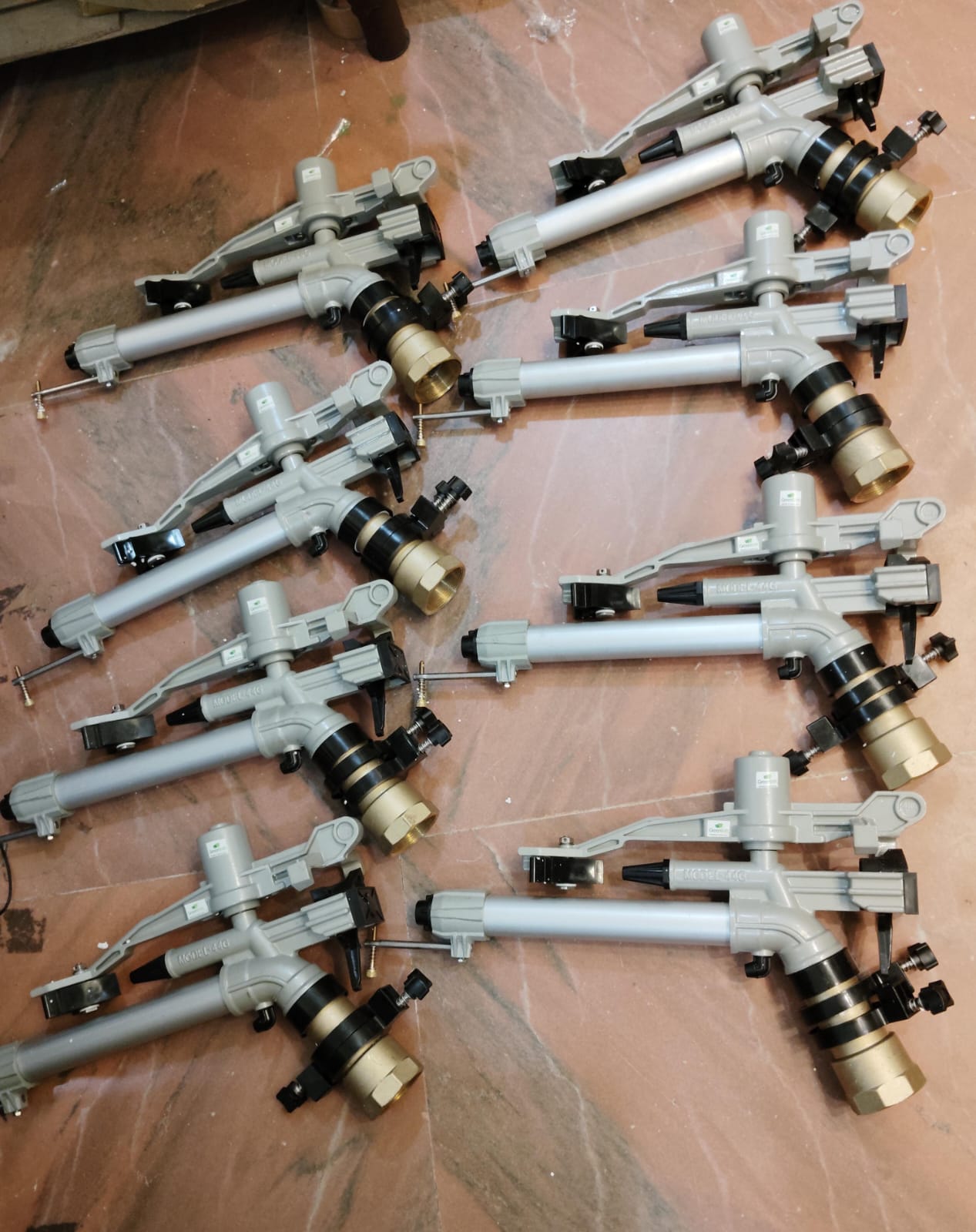
sequential sprinkler dust suppression solves this challenge by deploying
targeted water pulses directly ahead of and behind moving haul trucks. This
article examines the engineering, operational ROI, and deployment strategies
required to implement intelligent dust control on industrial haul roads.
Engineering Mechanics of Sequential Water Application
Pressure Dynamics and Flow Rate Optimization
Variable
frequency drive pumps keep pressure steady when multiple zones turn on at the
same time. You need this steady pressure to make sure water drops stay the
right size across long pipeline networks. If pressure drops, the spray turns
into a mist that blows away in the wind instead of wetting the road surface.
Nozzle
selection matters for stopping drift while wetting the ground well. Large
nozzles drop heavy streams that resist wind shear, but they pool water if flow
isn't matched to truck speed. Flow meters track water use in real time so you
don't waste supplies on idle zones.
Programmable Logic Controller and Sensor Integration
Inductive
loops, radar, and RFID tags track haul truck speed and exact location along the
road. The programmable logic controller reads this data to fire valves
milliseconds before the truck reaches the sprinkler head. This precise timing
ensures the dust stays down right as the heavy tires roll past.
Safety
protocols stop the system from spraying non-haul vehicles like light pickup
trucks or graders. Radar and tag readers check the vehicle type before sending
the open signal to the valve. If an unauthorized vehicle enters the zone, the
controller skips that spray cycle.
Valve Actuation and Mechanical Durability
Electric
actuated valves hold up better than pneumatic ones against heavy truck
vibrations and cold weather. You can wire electric valves directly into the
automation network without running complex air lines across miles of open pit.
High-density
polyethylene and lined ductile iron pipes resist the corrosive minerals found
in mine water supplies. You must also install automated drain loops and
heat-trace cables to keep pipes from freezing during winter shifts. These
hardware choices prevent leaks and keep the water flowing all year round.
Operational ROI and Environmental Compliance
Water Conservation Metrics Versus Water Trucks
Fixed
sprinklers spray a targeted burst of water right where the truck drives. Water
trucks dump heavy sheets of water over a wide area, which wastes gallons on
empty sections of road. Targeted watering cuts total water use by up to 60
percent compared to mobile tanker fleets.
Using
less water stops mud from forming on heavy haul routes. Less mud means trucks
maintain better tire grip and save on diesel fuel since they don't fight
slippery surfaces. Removing heavy water tankers from the active haul cycle also
clears traffic bottlenecks and saves fuel.
Regulatory Air Quality Compliance and PM10/PM2.5 Mitigation
Consistent
soil moisture keeps dust levels below strict environmental agency limits for
PM10 and PM2.5 particles. Automated systems tie into weather stations to spray
more often when high winds blow across the site. This keeps air clean and
prevents costly fines from local safety boards.
Site
managers pull digital logs from the controller to prove compliance during
official audits. These reports show exact water application rates and times for
every shift. Good data keeps the mine running without shutdowns from air
quality inspectors.
Haul Road Safety and Tire Life Extension
Dust
clouds cause zero-visibility zones that force operators to slow down or stop
working entirely. Clear air keeps trucks moving at top speeds safely through
every shift.
Loose,
dry aggregate acts like sandpaper on expensive off-highway truck tires. Wetting
the sub-base packs the dirt tight and stops sharp rocks from chewing up rubber
tread. You also save money on air filters because clean air cuts engine wear in
half.
Design, Installation, and Commissioning Frameworks
Site Topography and Haul Road Layout Assessment
Engineers
walk the haul route to find steep grades and sharp curves where dust generation
peaks. Sprinkler risers go on the outer edges of traffic lanes to avoid getting
hit by wide loads or berms.
Remote
mine sites need dedicated solar power packs or small diesel generators at each
valve station. Solar panels with battery banks work well in sunny regions to
run low-voltage valves and radio transmitters.
Water Source Quality and Filtration Engineering
Raw pit
water and dirty tailings ponds carry grit that clogs small sprinkler nozzles
fast. You need multi-stage screen filters to trap sand and organic matter
before the water reaches the valves.
Hard
water leaves scale deposits that ruin internal valve parts over time.
Anti-scaling chemical pumps inject treatment fluids automatically into the main
supply line. Backwash cycles clean the filters daily without human help.
Commissioning, Calibration, and Trigger Testing
Technicians
run test trucks down the road to check sensor timing and valve opening speed.
They adjust the controller software until the water hits the ground right as
the front bumper passes the riser.
Opacity
meters and soil moisture probes measure dust levels during live truck passes.
Operators train in the control room on how to override zones and read system
error alerts on the main screen.
Maintenance Strategies for Maximum System Uptime
Preventive Maintenance Schedules for Harsh Environments
Crews
check riser heads and protective metal guards during daily pre-shift inspections.
Valve diaphragms need new seals every six months to stop slow leaks.
Metal
brackets and exposed pipe fittings take a beating from flying rocks and road
salt. Workers paint rust spots early and tighten loose bolts before vibration
shakes them loose.
Winterization and Extreme Weather Management
Compressed
air manifolds blow water out of the entire pipeline network before the first
hard freeze. Valve boxes get thick foam insulation boards to protect internal
solenoids from ice damage.
Summer
months bring high heat and fast evaporation rates. Maintenance crews adjust the
controller to run shorter, more frequent spray cycles during dry heat waves.
Remote Diagnostics and Predictive Maintenance Integration
SCADA
software sends text alerts to the maintenance shop when water pressure drops or
a valve fails. Sensor data tracks how many times a valve opens to predict when
it needs a rebuild.
Mechanics
get exact GPS coordinates for broken parts before they drive out to the field.
Quick fixes keep the system running around the clock without long delays.
Conclusion
Automatic
sequential sprinkler dust suppression transforms industrial haul road
management from a reactive, resource-heavy chore into an optimized, precision-driven
engineering process. By replacing traditional water trucks with intelligent,
vehicle-triggered sprinkler networks, mining and heavy industrial sites achieve
superior air quality compliance, significant water conservation, and enhanced
operational safety. Investing in robust PLC architecture, durable hardware, and
proactive maintenance ensures continuous haul cycle efficiency and long-term
environmental sustainability.
GREENSHIFT
TECHNOLOGIES has successfully executed no of such automatic sequential
sprinkler dust suppression system for plant haul roads.
For more
details kindly feel free to contact our team of experts directly through phone
or kindly email us your enquiry to our given email id’s .