
greenshiftspraysystems@gmail.com
+91-9830983311
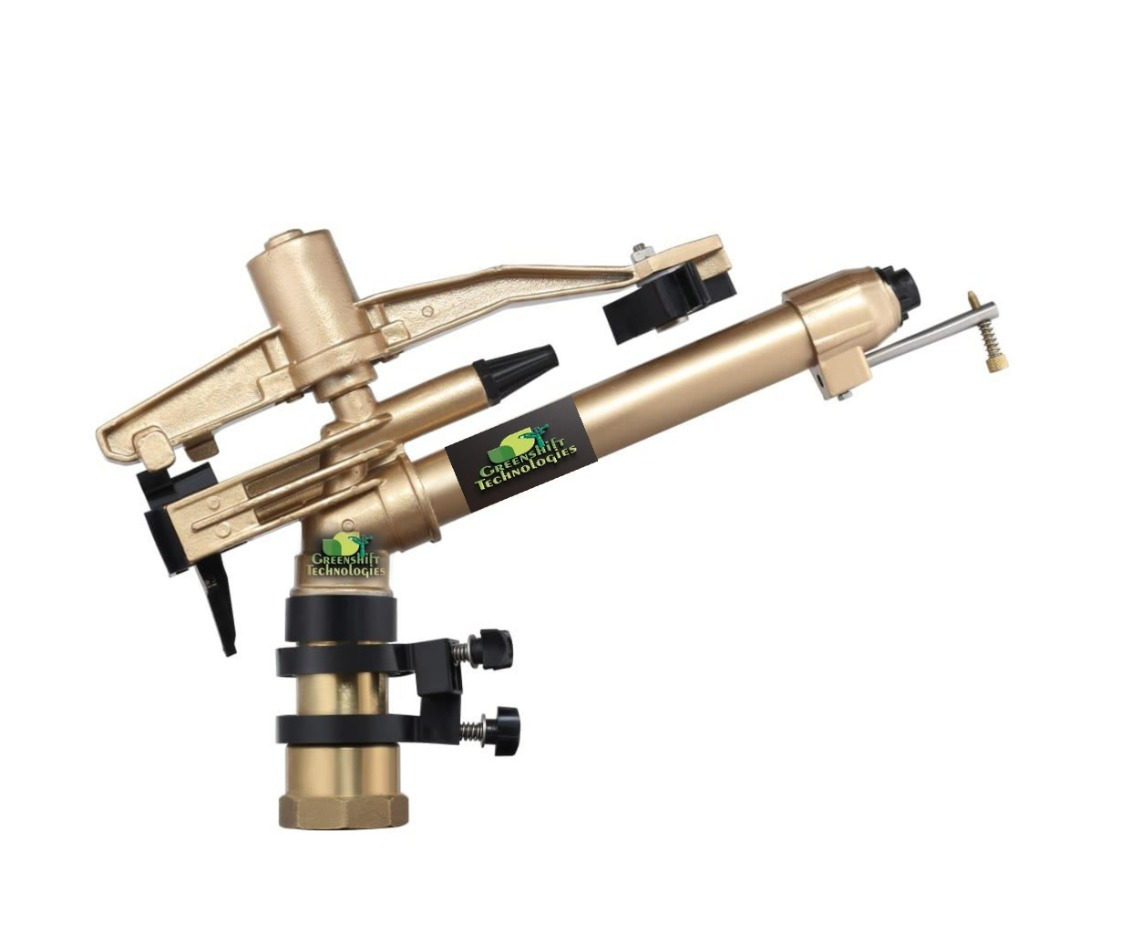
Keeping a
soccer pitch green during a summer heatwave tests the patience of any
groundskeeper. Local water boards tighten limits just as your team schedule
hits its peak. You watch pop-up heads struggle to reach the centre circle while
puddles form near the side-lines. You need a better way to water large turf
areas fast. Using a rain gun sprinkler for sports field upkeep changes how you
manage heavy water demands.
Why
Traditional Sports Field Irrigation Fails Under Pressure
Dragging
hoses across a football pitch takes hours of manual labour. Standard pop-up
sprinkler heads break easily when heavy equipment rolls over them during game
prep. You waste time fixing broken pipes and cleaning clogged nozzles instead
of working on the turf. Large athletic complexes demand high-volume
distribution to keep grass alive without endless manual effort.
The Physics of Large-Scale Water Distribution
Rain gun
sprinklers move large volumes of water across wide spaces using high pressure.
Most units need between 40 and 80 pounds per square inch (PSI) to work right.
They push out anywhere from 50 to over 200 ltr per minute (LPM). This high
output lets the water travel up to 50-250FT feet through the air from a single
point.
Comparing Pop-Up Rotors to High-Capacity Rain guns
In-ground
pop-up systems cost thousands of Rs. to install and trench across an entire
field. They feature dozens of small parts undergrounds that break down under
heavy soil compaction. Portable or stationary rain guns sit above ground where
you can inspect them fast. They spray huge amounts of water in minutes, which
cuts down on long-term evaporation losses.
Overcoming Soil Compaction Challenges on Athletic
Turf
Heavy
water droplets from big guns can pack down loose soil and cause surface
pooling. You must pick the right nozzle size to break the water stream into
softer drops. Managing droplet size keeps the top layer of soil open so air and
nutrients reach the grass roots. A healthy surface resists heavy cleat traffic
without turning into mud.
Engineering the Ideal Rain gun Setup for Soccer,
Cricket, and Football Pitches
Different
sports demand specific grass heights and soil firmness. A football field needs
tough turf that handles constant tackling near the hashes. Soccer pitches
require a flat, smooth roll for the ball. You must match your heavy-duty
watering gear to the exact shape and grass type of your facility.
Calculating Optimal Operating Pressure and Flow
Rates
You need
to know your water source output before you turn on a rain gun. Check your pump
size and pipe width to make sure you get enough water volume. If your pipes are
too narrow, pressure drops fast and the throw distance shrinks. Use pressure
regulators to keep the water flow steady across the whole field.
Strategic Placement for Complete Field Coverage
Map out
your field layout before you start watering. Place the rain gun so the spray
patterns overlap by about 50 percent. This head-to-head coverage stops dry
patches from forming in the middle of the pitch. Watch the wind direction so
you do not lose water to heavy drift.
Automated Versus Manual Deployment Strategies
Moving a
heavy sprinkler by hand takes two workers off other important jobs. Traveller rain
gun systems solve this problem by winning across a steel cable on their own.
The machine pulls itself slowly down the field while watering a wide strip of
grass. You set the speed, turn on the pump, and let the rig do the heavy
lifting.
Protecting Turf Health and Playability During Peak
Growth Seasons
Hot
weather pushes turfgrass to the limit while sports leagues play through the
summer. You have to balance drought defence with disease control every single
week. Smart watering routines stop weeds from sprouting while keeping your
grass thick and green.
Timing Irrigation Cycles to Minimize Evaporation
Loss
Water
your fields in the pre-dawn hours before the sun comes up. Wind speeds stay low
at this time, and the air holds more moisture. Ground scrappers use local
evapotranspiration data to figure out exactly how much water the grass lost the
day before. Watering at night stops the hot sun from baking the droplets away
before they hit the dirt.
Preventing Fungal Outbreaks Through Controlled
Application
Wet grass
sitting under a hot sun breeds turf disease overnight. Too much surface
moisture causes Pythium blight and dollar spot to spread across the pitch.
Calibrate your rain gun to water deeply a few times a week instead of giving it
a light splash every day. This keeps the grass blades dry during peak humidity
hours.
Promoting Deep Root Systems for Superior Traction
Shallow
watering makes grass roots stay near the top of the soil. Deep, rare soaking
forces roots to chase moisture down deep into the earth. Long roots anchor the
turf so players do not tear up large chunks of grass during a sharp cut.
Maximizing Return on Investment Through Water
Conservation and Labor Reduction
Water
bills make up a huge part of any park district or school budget. Upgrading your
gear turns a high utility cost into a smart, long-term asset. Smart controllers
and rain sensors keep you inside local water rules without hurting turf
quality.
Quantifying Utility Savings with High-Efficiency
Nozzles
Modern
nozzle design uses specific trajectory angles to fight wind shear. Less water
blows away in the wind, so more of it hits the target zone. Lower water
consumption directly cuts your monthly municipal utility bill.
Cutting Groundcrew Labour Hours in Half
Moving
heavy portable hoses eats up most of a work day. A high-coverage rain gun
covers an entire soccer field from just two or three spots. Your crew spends
less time walking hoses and more time mowing, painting lines, and aerating the
soil.
Complying with Environmental Regulations and
Drought Mandates
Water
districts often hand out strict limits during dry summer months.
High-efficiency systems let you water within your allowed window without losing
turf quality. You keep the fields safe and playable while following every local
rule.
Troubleshooting Common Operational Failures in Field
Rain guns
Gear
fails at the worst possible times during the busy sports season. Quick fixes
keep your maintenance routine on track and protect the turf from dry spells.
Resolving Rotation Stalls and Arc Misalignments
Dirt and
sand get inside the drive gears and cause the rain gun to stop turning. Check
the trip-lever assembly and clean out any grass clippings stuck in the
mechanism. Flush the lines before you start up the system to keep debris out of
the moving parts.
Combating Nozzle Wear and Decreased Throw Distance
High-speed
water pushes abrasive sand through the nozzle tip day after day. This friction
slowly widens the opening and drops your water throw distance. Replace brass
and plastic nozzles as soon as you notice a weak spray pattern.
Winterizing and Protecting Equipment Against Freeze
Damage
Freezing
winter water cracks metal valve bodies and splits plastic pipes wide open. Hook
up an air compressor and blow out every drop of water from the lines before the
first frost hits. Store portable rain guns in a dry shed away from snow and
ice.
Conclusion
Upgrading
your sports field irrigation saves time, lowers water bills, and protects
players from hard, unsafe turf. High-volume rain gun sprinklers give you the
reach and speed that standard pop-up heads cannot match. Focus on proper
pressure checks, smart early-morning schedules, and routine gear maintenance.
Safe, green fields start with reliable water distribution that gets the job done
right every time.
For exact
and durable Engineering design of these systems for the sports fields kindly
contact our marketing desk at our website https://www.greenshifttechnologies.com/