greenshiftspraysystems@gmail.com
+91-9830983311
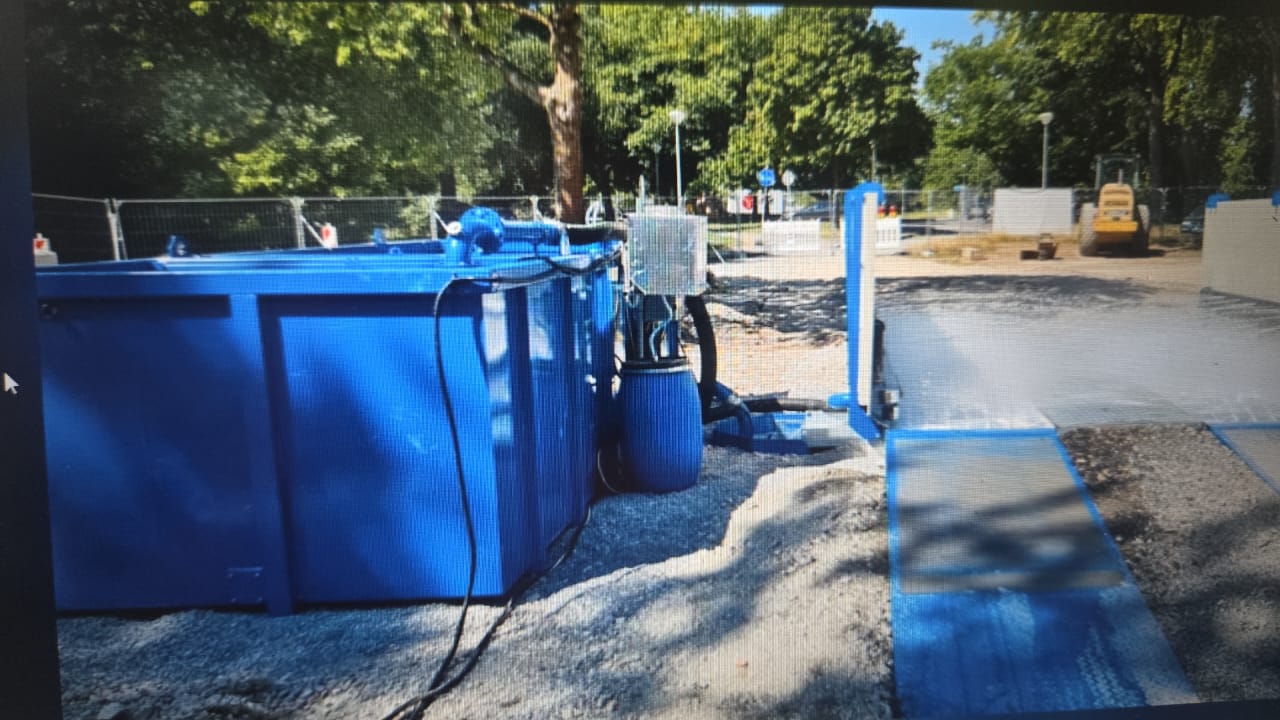
Industrial Vehicle Washing System
Mud,
clay, dust, coal, cement, and loose aggregates can cover a vehicle within one
loading cycle. An industrial vehicle washing system removes this build-up
before it reaches public roads, clean work areas, or maintenance bays. The
result is safer driving, cleaner site exits, better inspections, and less
manual washing.
These
systems support HIWA vehicles, dumpers, hydraulic dumper vehicles, truck
dumpers, mining trucks, and construction fleets. Each vehicle may handle
loading, unloading, hauling, or dumping in harsh conditions. A suitable wash
system must match vehicle size, tire design, traffic volume, material type,
water supply, and the required cleaning level.
Match the Washing System to Each Industrial Vehicle Type
Vehicle
height, wheel spacing, payload, axle count, and working conditions all affect
system design. A small construction truck needs a different wash bay than a
large quarry dumper. Careful sizing prevents poor spray coverage, traffic
delays, and damage to vehicle parts.
HIWA Vehicle Washing Systems for High-Use Operations
HIWA
vehicle cleaning often requires wheel washing, chassis cleaning, underbody
sprays, and strong mud removal. A drive-through system can clean vehicles that
enter and leave a site many times each day. Automated controls also keep wash
times consistent during busy shifts.
The wash
lane should match the HIWA body height, tire size, axle arrangement, and
transported material. Clay may need strong underbody sprays, while dry dust may
need wider side and top coverage. Spray bars must clear mirrors, steps, tanks,
and other external parts.
Dumper and Hydraulic Dumper Vehicle Cleaning
Dumpers
collect material around tires, wheel arches, axles, chassis frames, and tipping
bodies. A hydraulic dumper vehicle also needs careful cleaning near cylinders,
hoses, valves, and other hydraulic parts. Correct nozzle angles remove residue
without forcing water into sensitive seals or electrical areas.
The wash
cycle can run after loading, before unloading, or after dumping. A well-planned
system keeps the vehicle moving without long delays between assignments.
Operators should set safe spray zones for the hydraulic equipment and raised
tipping body.
Truck Dumper Washing for Mining and Construction
Truck
dumper fleets face heavy contamination at mines, quarries, cement plants,
aggregate yards, and earthwork sites. These vehicles need reinforced wash bays,
high-flow pumps, strong spray bars, and space for large turning movements. The
structure must handle vibration, impact, dust, and repeated daily use.
Place
Cleaning Where Material Builds Up
An
industrial vehicle washing system can sit at a site entrance, exit, loading
zone, unloading point, weighbridge, maintenance yard, or dumping area. The best
position depends on where contamination transfers between work zones. Good
placement also prevents queues during shift changes.
Clean
Vehicles Before Site Exit
Wheel and
underbody washing removes mud before vehicles reach public roads. Place the
system close to the exit, then provide enough drainage and waiting space for
the full wash cycle. Drivers should complete cleaning before crossing into a
clean or public area.
Wash
After Loading and Before Unloading
Loading
can leave residue on tires, axles, chassis frames, and side panels. Washing
before unloading reduces material transfer between work zones and improves
visibility during safety checks. It can also stop wet clay from hardening under
the vehicle during travel.
Clean
Vehicles Around Dumping Areas
Soil,
stone, coal, ore, waste, and building materials can cling to a truck after
dumping. A durable wash point near the return route can target the underbody,
wheels, and lower chassis. Use timed cycles and strong spray bars that can
handle repeated contact with abrasive sediment.
Select
the Right Industrial Vehicle Washing System
The
cleaning method should reflect fleet size, traffic flow, material type, and
available labour. High-volume sites often need automation, while mixed fleets
may need operator control. Water recovery can reduce supply demand when the
site manages sediment correctly.
Drive-Through
Automatic Wash Systems
Drive-through
systems combine side sprays, top sprays, wheel washers, and underbody cleaning.
They suit steady fleet movement and can reduce manual labour at site exits.
Controlled wash times support higher throughput and more consistent results.
High-Pressure Wheel and Underbody Washers
High-pressure
units target tire treads, wheel wells, axles, chassis frames, and other low
surfaces. Select pumps and nozzles based on pressure, flow, vehicle speed, and
spray coverage. Shield sensitive components where direct water pressure could
cause damage.
Manual and Semi-Automatic Wash Bays
Manual
bays work well for mixed fleets, low traffic, or vehicles with unusual shapes.
Semi-automatic systems can combine operator-controlled pressure washing with
automatic wheel or underbody cleaning. This setup gives staff more control over
heavy build-up without making every task manual.
Water Recycling and Sediment Control
Settling
tanks, sediment pits, oil separators, filters, and recycling units help control
water use. The design must account for clay, silt, sand, grease, oil, and
chemical residue. Separate contaminated wash water from stormwater where local
rules require it.
Build for Harsh Industrial Conditions
Reliability
depends on more than pump pressure. The wash bay needs safe vehicle movement,
strong drainage, protected equipment, and easy access for cleaning. These
details affect uptime and long-term cost.
Plan Wash Bay Layout and Traffic Flow
Allow
enough clearance height, wash length, turning space, and lane width for the
largest truck dumper. Use clear entry and exit lanes, non-slip surfaces, and
separate dirty and clean areas. A well-planned layout prevents congestion
during loading, unloading, dumping, and shift changes.
Choose Pumps, Nozzles, and Structural Parts
Pump
capacity should match vehicle size, soil type, wash frequency, and operating
hours. Nozzle spacing and spray-bar height must provide full coverage without
wasting water. Use corrosion-resistant parts and reinforced supports that can
withstand heavy vehicle impact.
Manage Drainage and Wastewater
Trench
drains, grates, settling pits, sludge collectors, and oil separators keep wash
areas safe. Design access points so staff can remove sediment and clear
blockages. Wastewater treatment and sludge disposal must follow site procedures
and local requirements.
Safety
controls should include traffic lights, emergency stops, speed limits, warning
signs, good lighting, and pedestrian separation. Drivers should avoid reversing
near wash equipment whenever possible. Maintenance staff also need safe access
around pumps, electrical panels, pits, and high-pressure lines.
Measure the Business Value of Washing
Equipment
price alone doesn’t show the value of a wash system. Track cleaning time, labour
hours, queue duration, and completed wash cycles. These figures show whether
automation supports real fleet gains.
Reduce Labour and Cleaning Time
Automatic
wheel, chassis, and underbody washing cuts repetitive manual work. It also
gives each vehicle a more consistent cleaning cycle. Compare the old cleaning
time per vehicle with the planned automated cycle before choosing equipment.
Improve Fleet Availability
A
well-designed wash system supports faster turnaround between loading,
unloading, dumping, maintenance, and the next job. Measure vehicles washed per
hour and average time spent in line. A short cycle has little value if the bay
creates traffic delays.
Control Water, Energy, and Maintenance Costs
Review
pump energy, water use, recycling rate, filter changes, nozzle wear, sludge
removal, and service needs. Total ownership cost includes equipment, concrete
work, utilities, labour, wastewater handling, and spare parts. This broader
view supports a better purchase decision.
Plan Installation, Maintenance, and Compliance
Before
purchase, collect the dimensions and tire details for every HIWA vehicle,
dumper, hydraulic dumper vehicle, and truck dumper. Check daily traffic,
contamination type, water pressure, power supply, climate, drainage, and available
space. Define separate cleaning standards for road exit, internal travel,
maintenance, and post-dumping work.
Daily
checks should cover nozzles, pumps, spray bars, drains, filters, electrical
controls, and emergency stops. Clean pits before sediment blocks flow, and
adjust service intervals for heavy clay, sand, or coal use. Keep wash records,
maintenance logs, wastewater records, and operator training documents.
Check
local rules for wastewater discharge, stormwater, water reuse, sludge disposal,
noise, electrical safety, and workplace protection. Qualified site and
environmental professionals should confirm the final design before
construction.
Choose a Scalable Industrial Vehicle Washing
Solution
Build a
requirement sheet covering vehicle types, maximum dimensions, tire sizes, daily
wash volume, target cycle time, contamination, wash locations, recycling needs,
automation, drainage, and safety controls. This information helps suppliers
provide accurate drawings and utility details.
Compare
suppliers on engineering experience, custom design, pump and nozzle quality,
installation support, spare parts, training, warranty, and service response.
Ask for technical drawings, performance data, maintenance schedules, and
lifecycle cost estimates. After commissioning, track vehicles per hour, water
use, cleaning quality, downtime, maintenance frequency, and wastewater output.
Conclusion:
The right
industrial vehicle washing system follows the full work cycle: loading,
hauling, unloading, dumping, and return travel. It must clean wheels and
underbodies, protect hydraulic parts, handle heavy sediment, control
wastewater, and keep vehicles moving safely.
Choose
equipment that fits current fleet demands while allowing more traffic and
future vehicle growth. A well-built solution supports cleaner site exits, safer
work areas, faster fleet turnaround, and more reliable The Results-Driven
Demonstration Style
"To
pass the technical field inspection in the most demanding mining conditions on
earth? Watch as we demonstrate the power of Greenshift’s integration, achieving
total dust suppression while significantly minimizing water waste. This
step-by-step walkthrough is your definitive roadmap to achieving full 2026
compliance without sacrificing productivity.erformance across HIWA, dumper,
hydraulic dumper vehicle, and truck dumper operations.