
greenshiftspraysystems@gmail.com
+91-9830983311
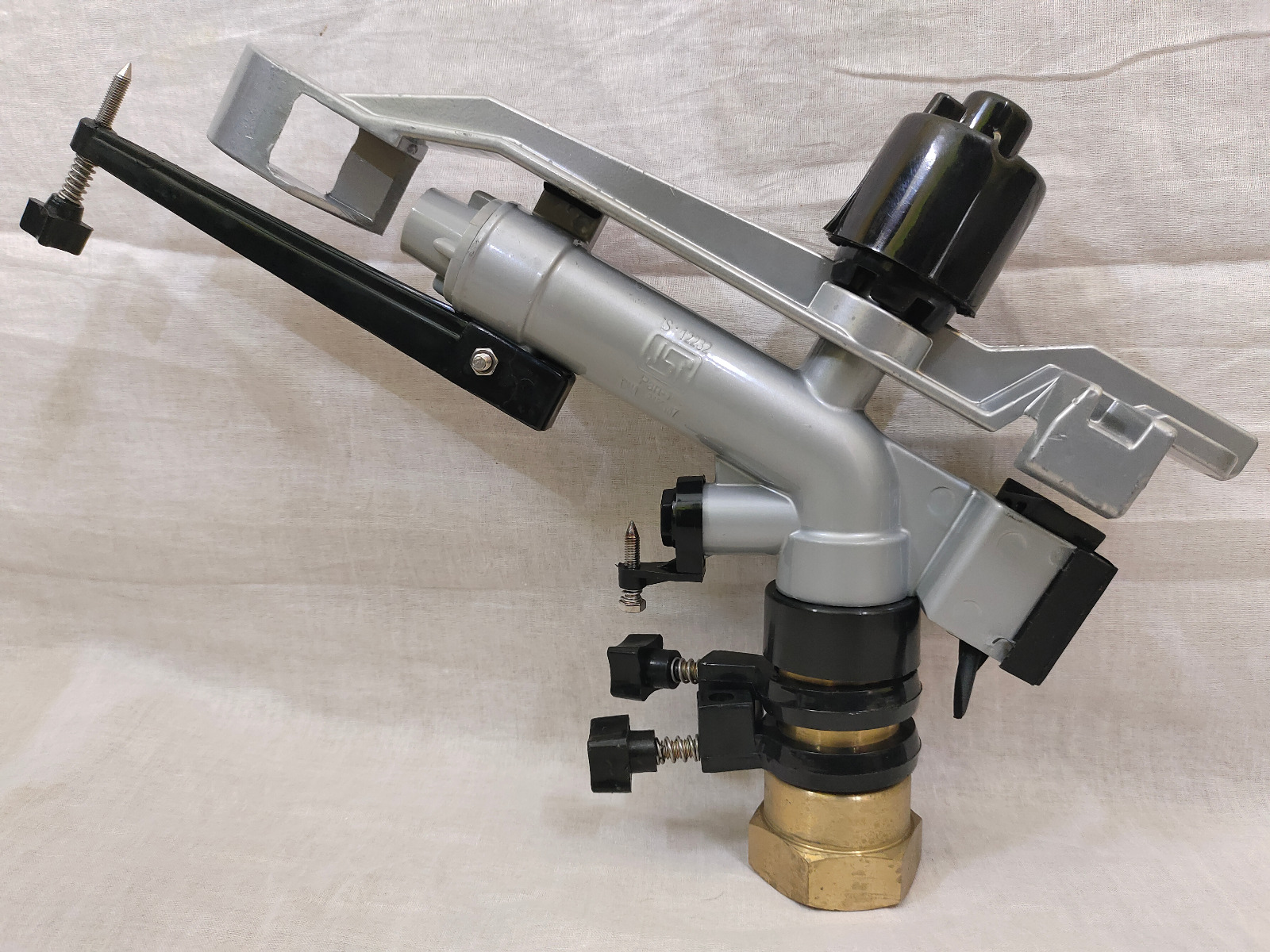
A dry
haul road can turn every passing truck into a dust cloud within seconds. An automatic
rain gun sprinkler system for stockpiles and haul roads applies controlled
water across large industrial areas, helping reduce airborne dust with less
manual watering. These matters at mines, quarries, aggregate yards,
construction sites, and bulk-material plants where dust can limit visibility,
affect worker health, increase equipment wear, and create environmental
compliance risks.
A
well-designed system combines long-range sprinklers, pumps, pipework, valves,
sensors, and controls. Its success depends on site mapping, hydraulic sizing,
safe drainage, regular testing, and adjustments as production conditions
change.
Automatic Rain Gun Sprinkler System for Stockpiles
Why stockpiles and haul roads create persistent dust
Wind can
lift fine particles from exposed stockpile faces, road shoulders, and dry
material surfaces. Loading, unloading, crushing, screening, and conveyor
transfers add more dust at fixed work areas. Vehicle traffic creates a separate
source as tires disturb dry road surfaces and loose material.
Haul-road
bends, ramps, intersections, and loading points often need more frequent
watering than low-traffic areas. Stockpiles also change shape as material is
added or removed, which can expose new surfaces to wind erosion.
Where rain guns provide the most value
Long-range
rain guns can cover coal yards, ore stockpiles, aggregate storage areas, ash
handling zones, processing plants, and construction sites. Fixed sprinklers may
serve permanent areas, while skid-mounted or mobile units can follow temporary
stockpile layouts.
Automatic
operation can match watering with production shifts, truck movements, dry
weather, and high-wind periods. The system should form part of a wider dust
plan that may also include road grading, speed controls, covered conveyors,
enclosures, and material handling controls.
Why automation improves manual watering
Water
trucks can cover large roads, but they require operators to work near traffic
and dusty areas. Hose watering and portable sprinklers may leave gaps, depend
on manual timing, and take time to reposition. Rain guns provide repeatable
coverage from planned locations and can run by zone.
Actual
water savings and dust reduction depend on nozzle size, pressure, wind,
traffic, material type, soil condition, and operating schedules. Automation
improves control, but it does not replace sound site design.
Components of an Industrial Rain Gun Sprinkler
Rain guns and nozzle selection
Choose
each rain gun by discharge rate, pressure, throw distance, spray pattern,
droplet size, and adjustment range. Stockpile height, road width, sprinkler
spacing, and required overlap all affect the correct model.
Large
droplets may resist wind drift, but excessive flow can create runoff or muddy
surfaces. Adjustable arcs help keep water away from buildings, electrical
equipment, public roads, and nearby work areas.
Pumps, water sources, and filtration
Pump
selection must account for flow, pressure, elevation, pipe friction, and the
number of sprinklers operating at once. The pump also needs suitable suction
conditions, water-source capacity, and protection against dry running.
Filters
and strainers reduce clogging caused by sand, scale, plant matter, and
suspended solids. Reclaimed process water or other non-potable sources may
reduce demand on fresh water supplies when local rules and material requirements
allow their use.
Pipes, valves, and zone controls
Mainlines
carry water across the site, while branch lines serve individual rain guns.
Automatic valves, pressure regulators, quick couplings, drains, and isolation
points help control flow and simplify maintenance.
Zoning
allows operators to water road sections, stockpile faces, loading areas, and
intersections at different times. Buried pipework offers traffic protection,
while above-ground, mobile, or skid-mounted equipment can suit temporary sites.
Every layout needs guarded fittings and clear access for repair.
Designing Coverage
Map dust hotspots before installation
Begin
with a site plan showing stockpile positions, haul-road width and alignment,
traffic levels, elevation changes, drainage paths, water points, and prevailing
wind direction. Mark sensitive areas such as offices, neighbouring properties,
public roads, watercourses, and electrical installations.
Drone
images, production maps, engineering drawings, and site surveys can reveal
priority zones. Pay close attention to ramps, bends, intersections, loading and
unloading points, conveyor transfers, and exposed stockpile slopes.
Position sprinklers for even coverage
Rain guns
need enough throw and overlap to avoid dry strips. Mounting height, edge
placement, spray arc, and stockpile distance all affect the wetted area. Along
haul roads, sprinklers often work best near the edges with spray directed
across the traffic lane.
Stockpiles,
conveyors, loaders, buildings, and temporary material can block the spray path.
Design for stockpile growth and changing traffic routes rather than fixing
equipment where future expansion will make it ineffective.
Balance dust control with water demand
Watering
schedules should reflect traffic, surface moisture, evaporation, rainfall, and
material infiltration. Continuous operation can waste water and create standing
water, erosion, contaminated runoff, material degradation, or poor tire
traction.
Short,
timed cycles may work better than long periods of constant spraying. Road
inspections should confirm that surfaces remain damp enough to control dust
without becoming slick or muddy.
Automation Features
Programmable timers and zone operation
A
controller can start and stop pumps, open valves in sequence, adjust runtime,
and activate selected zones remotely. Schedules can match shift changes, truck
traffic, stockpile work, and routine production cycles.
Manual
override remains essential. Operators need local control during maintenance,
abnormal dust events, changing site conditions, and emergency shutdowns.
Weather and moisture-based controls
Rain
sensors can pause watering after rainfall. Wind sensors can reduce operation
during high drift conditions, while humidity and surface-moisture sensors can
help adjust cycle times. A site weather station can provide data for automated
decisions.
Thresholds
must match local climate, material behaviour, drainage, and dust targets.
Freezing conditions, heavy rainfall, and strong winds may require a full
shutdown.
Monitoring, alarms, and remote access
Pressure
sensors, flow meters, valve feedback, pump status signals, and low-water alarms
help operators find faults early. Sudden pressure loss may indicate a broken
pipe, open drain, failed valve, or blocked sprinkler.
Controls
can also report unusual water use, pump faults, and communication failures
through a plant control network or secure web platform. Remote access should
include proper passwords, permissions, and manual shutdown options.
Safe Operation
Protect equipment from traffic and impact
Place
pumps, valves, control panels, cables, and sprinkler mounts outside truck paths
whenever possible. Use barriers, elevated mounts, guarded pipework, flexible
connections, and clear vehicle setbacks near active roads.
Mark
equipment locations with signs and high-visibility paint. The layout must leave
enough room for inspection, lifting equipment, repairs, and safe access during
production.
Control runoff, mud, and visibility risks
Poorly
aimed sprinklers can create slippery roads, standing water, erosion, sediment
movement, and reduced visibility. Drainage channels, collection points, and
runoff controls should be planned before commissioning.
Safety
and environmental teams should review road conditions, spray drift, water
containment, and operating limits. Watering may need to stop during heavy rain
or when overspray affects drivers.
Manage freezing, water quality, and corrosion
Cold
regions may need seasonal shutdowns, line draining, heat tracing, insulation,
or freeze protection. Components should match the site temperature range and
exposure conditions.
Suspended
solids can block nozzles and damage pumps. Scale, biological growth, and
corrosive water can shorten equipment life, so filtration, cleaning, water
treatment, and corrosion-resistant materials may be needed.
Maintenance and System Selection
Keep coverage consistent with preventive maintenance
Inspect
nozzles, strainers, filters, valves, pipe joints, gauges, pump seals, control
panels, and sprinkler rotation. Look for leaks, uneven spray, vibration,
pressure loss, abnormal noise, and damaged mounts.
Test
every zone under normal operating pressure. Dusty sites and systems using
high-solids water need more frequent cleaning. Keep spare nozzles, seals,
filters, fuses, valve parts, and key control components on site.
Define site and hydraulic requirements
Before
requesting quotes, record the coverage area, stockpile size, road length and
width, traffic volume, water capacity, operating hours, climate, elevation, and
dust-control goals. Include material type, nearby receptors, drainage rules,
power supply, communications, and planned expansion.
Verify
pump flow, pressure at each rain gun, pipe diameter, friction loss, filtration,
simultaneous zone demand, valve type, controller functions, sensors, and backup
operation. Hydraulic calculations should guide equipment selection.
An
automatic rain gun sprinkler system can provide steady, controlled water
coverage across stockpiles and haul roads when the design fits actual site
conditions. The main success factors are accurate mapping, correct pump and
pipe sizing, suitable sprinkler placement, zoned controls, weather-based
settings, safe drainage, and preventive maintenance.
Start by
identifying the highest-dust areas. Confirm water supply, pressure, filtration,
power, and drainage before choosing equipment. Use separate or coordinated
zones for stockpiles and roads, keep manual overrides and alarms available, and
test coverage often. As traffic patterns, material volumes, and stockpile
profiles change, revise the layout and watering schedule to keep dust control
effective.