
greenshiftspraysystems@gmail.com
+91-9830983311
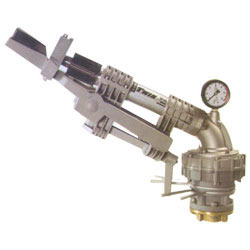
A single
dry, windy shift can send dust beyond a stockyard fence, reduce visibility,
coat equipment, and trigger worker or community complaints. A raingun
sprinkler for stockyard and stockpile dust suppression applies water across
wide areas, helping control dust from coal, ore, aggregate, minerals, soil, and
other bulk materials. The best control method may be automatic, semiautomatic,
manual, or a mix of all three. Your choice depends on stockpile size, dust
levels, water supply, labour, weather, and the speed of response required.
Stockyard
and Stockpile Dust Suppression Works
Reduce
dust across exposed
A raingun
wets the exposed surface and reduces particle lift caused by wind, trucks, loading,
unloading, reclaiming, and material transfer. Routine watering can maintain
surface moisture, while higher-intensity watering may be needed during
crushing, screening, or severe dust events.
Too much
water creates other problems. Excess spray can cause runoff, erosion, muddy
roads, material degradation, or waterlogging. The system must match water
volume to the material surface and the activity creating dust.
Cover irregular stockyard layouts
Rotating
rainguns can cover long stockpiles, traffic lanes, transfer areas, and several
storage zones. Operators can adjust spray radius, trajectory, flow, and sector
angle to suit the site. Fixed, oscillating, and sector-controlled units each
fit different stockyard layouts.
Map the
area before installation. Mark conveyors, roads, buildings, drainage paths, neighbouring
properties, mobile equipment routes, and areas that could receive overspray.
Record dust incidents, wind conditions, production activity, and watering time
to improve future schedules.
Design
the System around Stockyard Conditions
Pumps size,
pipes, pressure, and flow correctly
Pump
capacity must match the pressure and flow required by the selected raingun.
Pipe length, pipe diameter, elevation changes, friction loss, nozzle size, and
the number of sprinklers running together all affect performance. The pump
should maintain the required pressure at the most distant or highest sprinkler
in the network.
Collect
stockyard dimensions, pile heights, water storage capacity, source pressure,
pipe routes, elevation differences, and the required watering frequency before
choosing equipment. A system that looks adequate on paper may leave dry zones
when several guns operate at once.
Select droplets that reach the target
Very fine
droplets may drift or evaporate in strong wind. Very large droplets can cause
runoff, erosion, or uneven wetting. Select the nozzle and pressure based on
dust type, wind conditions, surface texture, and target distance.
Use
manufacturer charts for radius, pressure, flow, and spray distribution. Nominal
spray distance alone does not confirm useful coverage. During commissioning,
use moisture checks or visible markers to find dry areas, excessive overlap,
and spray drift.
Automatic
Control
Schedule
zones with timers and PLCs
Automatic
systems use programmable timers, PLC control panels, remote controls, or links
to plant automation. Each zone can run according to location, production hours,
dust risk, and water availability. Automatic valve sequencing can start the
pump, open the correct valves, and stop the system after the set period.
Useful
features include pressure monitoring, low-water protection, pump overload
protection, emergency shutdown, fault alarms, remote status display, and manual
override. Automatic monitoring can also identify failed valves, blocked
nozzles, leaks, and pump faults through pressure, flow, tank-level, and
valve-position signals.
Weather and dust sensors
Wind-speed
sensors, rain sensors, humidity sensors, particulate monitors, and plant
operating signals can improve watering decisions. For example, a system may
increase coverage during high-dust loading activity or stop when heavy rain has
already wet the stockpile.
Set
sensor thresholds through site testing. Calibrate sensors for the stored
material, local weather, and dust-control requirements. Keep a written
calibration and alarm-response schedule, and retain records of run time, water
use, alarms, maintenance, and complaints. Automation reduces labour, but field
inspections still confirm whether water reaches the target.
Semiautomatic
and Manual Operation
Semiautomatic
control
Semiautomatic
systems give operators control over zone selection, pump start-up, run time,
and extra rainguns while retaining key safety functions. They suit medium-sized
stockyards where pile locations, truck traffic, loading work, and wind
conditions change often.
Create presents
for normal production, high-dust work, and emergency dust events. Local panels,
remote start-stop controls, valve selectors, and emergency stops should be clearly
labelled. Keep low-water cut-offs, pressure alarms, overload protection, and
maximum run-time limits active during manual intervention.
Manual control
Manual
systems suit smaller, temporary, or mobile stockpiles. Operators can move
portable rainguns or adjust fixed units near active loading areas, exposed pile
faces, haul roads, and temporary storage zones. They cost less to control but
depend on labour and may deliver uneven coverage or a slow response.
Use a
written checklist before moving a portable unit. Check hose couplings, stable
placement, traffic controls, pressure release, safe distances, and nearby
conveyors or mobile equipment. Operators must never stand beside pressurized
connections or enter restricted machinery zones. Repeated complaints missed
watering cycles, high-wind events, or remote areas that are hard to inspect
indicate a need for semiautomatic or automatic control.
Compare
Automatic, Semiautomatic, and Manual Systems
Match
control type to site complexity
Site
complexity matters as much as stockpile area. A small temporary pile may need
one portable manual gun, while a large continuous-production facility may need
zoned automatic control with sensors and remote alarms. Multiple piles, remote
areas, strict dust monitoring, and frequent wind changes also favour higher
levels of control.
|
Control type |
Best fit |
Main strength |
Main limitation |
|
Automatic |
Large
or continuous sites |
Fast, repeatable
response |
Higher
installation cost |
|
Semiautomatic |
Medium
sites with changing work |
Flexible
operator control |
Requires
trained staff |
|
Manual |
Small
or temporary areas |
Low
complexity and mobile use |
Labour-dependent
coverage |
Compare full lifecycle costs
Capital
costs include pumps, tanks, pipes, valves, control panels, sensors, power
supplies, communication equipment, and mounting structures. Operating costs
include water, fuel or electricity, labour, repairs, filters, nozzles,
winterization, and inspections.
A hybrid
system often gives better value. Automate fixed high-risk zones, then use
semiautomatic or portable manual guns for changing piles, maintenance periods,
and emergency response. Rank zones by dust risk and automate the areas where
missed watering would cause the greatest safety or compliance impact.
Install
and Maintain the System
Protect
equipment
Install
pipes away from truck routes and protect exposed valves, pumps, and rainguns
with barriers. Use strong supports, flexible connections, isolation valves,
corrosion-resistant materials, and safe access for inspection. Sediment, scale,
freezing temperatures, ultraviolet exposure, and corrosive materials can
shorten equipment life.
Water
containing debris needs suitable screening or filtration. Inspect nozzles,
filters, rotation, pressure, flow, pumps, motors, valves, hoses, sensors, and
control panels on a planned schedule. A reduced spray radius, irregular
rotation, or fluctuating pressure often signals a blockage, leak, or pump
problem.
Verify coverage and repair faults
Commission
each zone with pressure and flow readings, spray-pattern checks, and moisture
observations. Repeat these checks after pile shapes change, pipework is
modified, or dust levels increase. Track water use by zone to find leaks and
areas that consume water without reducing dust.
Document
corrective action after every failed inspection, alarm, leak, or dust event.
Shift handovers should record active faults, isolated equipment, completed
maintenance, and zones needing extra attention.
Manage
Water and Operating Plan
Control
runoff and seasonal risks
Coordinate
raingun design with drainage, settling ponds, berms, storm water controls, and
environmental plans. Dust-suppression water may contact fines or stored
materials, so runoff can affect roads, drains, and water quality. Excess spray
can also make work areas slippery.
Use zone
control, weather-based schedules, leak detection, and pressure adjustment to
reduce water use. Confirm that process water or captured rainwater is suitable
for pumps, nozzles, materials, and discharge rules. Change spray sectors and
run times for wind, heat, humidity, rainfall, freezing weather, and changing
pile surfaces. Strong wind can increase drift and reduce water reaching the
pile.
Set triggers, train staff, and track results
Set
watering triggers for visible dust, wind speed, material handling, particulate
readings, scheduled production events, and complaints. Give priority to
transfer points, reclaim areas, exposed pile faces, haul roads, and loading
zones. Train control-room operators, field workers, electricians, mechanics,
and environmental staff in isolation, alarms, overrides, emergency shutdown,
and inspection duties.
Track
visible dust, complaints, and particulate results were
available, water use, system availability, alarm frequency, repair time, failed
coverage checks, and runoff events. Review these records each month to adjust
nozzles, schedules, zone layouts, and automation.
Conclusion
Raingun
sprinklers can control stockyard and stockpile dust across broad areas when
pressure, flow, droplet size, placement, and operating controls suit the site.
Automatic systems fit large, continuous operations; semiautomatic systems suit
changing work; manual units work well for small or temporary areas. Hybrid
systems cover sites with different dust risks.
Assess
your stockpile layout, dust sources, weather exposure, water infrastructure,
labor, drainage, and safety limits before selecting equipment. A properly
designed and maintained system will deliver better coverage, lower waste, and
more reliable dust control.