
greenshiftspraysystems@gmail.com
+91-9830983311
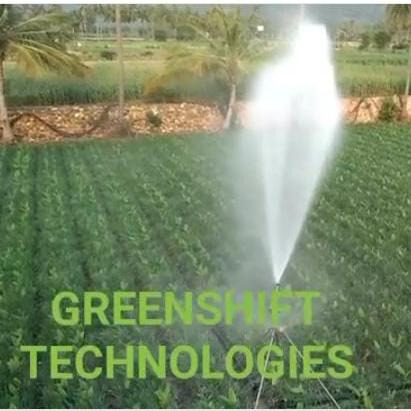
Water has
to reach the right place, whether that means a crop’s root zone or dust rising
from a conveyor. A poorly matched spray can waste water, leave dry spots, or
miss airborne particles. A technically calculated spray system helps align
water delivery with the job.
Performance
depends on more than nozzle choice. Droplet size, pressure, flow rate, spray
spacing, and working conditions all affect coverage. Good design matches these
factors to the target instead of relying on guesswork.
Careful
calculations can improve irrigation and dust control, but they can’t guarantee
a result on their own. Soil, weather, airflow, equipment condition, and daily
operating choices matter too. Measurement, sound installation, and regular
checks show whether the system is working as planned.
Useful Coverage
System
design should start with the task and site, not with a nozzle catalogue. The
designer needs to know what the spray must reach, how much water the task
needs, and what conditions may alter coverage. Those details guide the choice
of nozzle, pump, pipes, spacing, and controls.
Match flow rate and pressure
Flow rate
is the amount of water a nozzle delivers over time. Pressure is the force that
moves water through the nozzle and shapes the spray. Both must suit the
application and remain within the nozzle maker’s stated operating range.
Pipe
size, distance, bends, filters, and elevation can affect pressure at each
nozzle. A pump may meet its rated output at one point but fail to supply the
required flow and pressure across the full system. Check manufacturer data
against actual operating conditions, rather than treating catalogue values as
guaranteed field performance.
Droplet size for the target
Droplet
size affects reach, drift, evaporation, and wetting. For irrigation, the aim
may be even soil or crop coverage. For dust control, droplets must meet dust
particles or wet material before airflow carries the dust away.
Fine
droplets can remain airborne longer, but wind and heat may carry or evaporate
them. Larger droplets can wet surfaces well but may fall before meeting fine
airborne dust. The best size depends on the particle, airflow, spray location,
and desired level of wetting.
Measure coverage
A spray
pattern can look even while delivering uneven amounts of water. For irrigation,
catch cans placed across the wetted area reveal how much water reaches each
point. Christiansen’s uniformity coefficient summarizes how closely catch-can
amounts match the average; the method is described in his work on sprinkler
irrigation.
Industrial
checks should fit the process. Measure nozzle flow and pressure, then track
airborne particle levels or visible dust under known operating conditions.
These checks help separate a weak spray pattern from changes in production or
airflow.
Technically Calculated Spray System
Irrigation
design links water delivery to crop demand, soil, and weather. A well-planned
system can reduce dry areas and excess application, though the outcome depends
on how it is managed. FAO Irrigation and Drainage Paper 56 offer guidance on
crop water needs and evapotranspiration.
Application rate
Application
rate describes how quickly water reaches the ground. It should stay within the
soil’s ability to absorb water and meet the crop’s needs at its current growth
stage. Run time then depends on the depth of water required and the systems
measured output.
If water
arrives faster than soil can absorb it, runoff or ponding may follow. Sandy
soils, for example, take in water differently from heavier clay soils. Check
soil moisture and crop condition, then adjust run time and schedule as
conditions change.
Watering and avoidable losses
Pressure
differences can cause nozzles to deliver different amounts across a field. Wind
may push spray off course, while heat and low humidity can increase
evaporation. Worn or blocked nozzles also change output and spray shape.
Compare
pressure at the start and end of a line, and inspect nozzles for wear or
blockage. Look for dry patches, overspray, runoff, and pooling after
irrigation. Adjust spacing and run times when field checks show that water is
not reaching crops evenly.
Performance with field data
Design
calculations are a starting point, not proof of field performance. Measure
nozzle discharge and use catch cans to check distribution under normal
operating conditions. Repeat tests when wind is low enough to avoid distorting
the results.
Record
water applied alongside soil and crop observations. If you change pressure,
spacing, or run time, test again and compare the results. This keeps
adjustments tied to actual field conditions rather than assumptions.
Targets Industrial Dust
Sprays
can reduce dust by wetting material or meeting airborne particles with water
droplets. Their effectiveness depends on particle size, airflow, moisture, and
how the process runs. Unlike dust collection, spray suppression does not remove
dust from the air into a separate capture system.
Place spray points
Start by
mapping where dust forms and where air carries it. Common sources include
crushers, conveyor transfers, stockpiles, and haul roads, though each site has
its own pattern. Spray placement should address the source without creating new
problems, such as wet product or slippery walkways.
Observe
the process during normal work and note the direction of airflow. A nozzle
aimed at the wrong point may wet nearby surfaces while dust escapes downstream.
The NIOSH Dust Control Handbook for Industrial Minerals Mining and
Processing discusses dust-control approaches for mining and
mineral-processing tasks.
Balance droplet size, particle capture
Droplets
need to meet dust particles or wet the material before dust becomes airborne.
Very fine droplets may drift or evaporate, especially in warm, dry, or
fast-moving air. Large droplets can settle quickly and may miss fine particles
carried through the plume.
Test
spray output where dust is generated and where it travels. Keep water use
within process limits, since excess moisture can affect product quality,
equipment, or floor safety. No single droplet size works for every material and
airflow pattern.
Combine sprays
Sprays
often work best alongside source enclosure, local exhaust ventilation,
housekeeping, or changes to material handling. A cover around a transfer point,
for example, can limit the dust plume while a spray wets the moving material.
The right mix depends on the site and the hazard.
A spray
system should not replace exposure controls or site safety requirements. Follow
applicable workplace rules and assess worker exposure with suitable methods.
Where sprays alone don’t control dust well, review the process and add other
controls.
Determine Spray Performance
A sound
design can perform poorly when wind shifts, filters clog, or pumps lose
pressure. Check performance in the conditions where the system will run, not
only during installation. Record the conditions so later tests can be compared
fairly.
Account for wind, temperature, and humidity
Wind can
carry irrigation spray away from crops and move industrial dust beyond a spray
zone. Heat and low humidity can speed evaporation, while indoor airflow can
change how a dust plume travels. Note wind, temperature, humidity, and process
airflow during performance checks.
Schedule
outdoor irrigation when conditions support good coverage, where operating needs
allow. For industrial systems, review spray placement if fans, doors, or
equipment changes alter airflow. A system may need seasonal or process-based
adjustment.
Keep nozzles, filters, and pumps
Clogging,
wear, corrosion, leaks, and pressure swings all affect spray output. Inspect
filters and nozzles on a regular schedule, and clean parts according to the
manufacturer’s instructions. Check pump output and look for leaks that may
reduce pressure across the system.
Replace
worn parts when spray shape or flow has changed. Keep a record of repairs and
readings, since gradual changes can be hard to spot during a quick visual
check. Good maintenance protects the design assumptions the system depends on.
System and recheck
During
commissioning, verify pressure and flow at key points and inspect each spray
pattern. Test coverage under normal operating conditions, then record the
results as a baseline. This gives the team a clear reference for later checks.
Repeat
the tests after major repairs, layout changes, seasonal shifts, or signs of
poor performance. Compare new readings with the baseline before changing
settings. Small adjustments should be followed by measurement to confirm they
helped.
Performance Data Shows
The right
measures depend on the job. Irrigation teams need to know how evenly water
reaches the field and whether it supports crop and soil needs. Industrial teams
need to assess dust, water use, and effects on production.
Track indicators
For
irrigation, record water applied, catch-can results, runoff, and soil or crop
observations. For dust control, track airborne particulate levels using
suitable methods, visible emissions, water use, and any process effects. Keep
the measurement method consistent so results remain useful.
Compare results
Collect
readings before changing the system, and then repeat them under similar
conditions. Note weather, pressure, flow, crop stage, or production rate where
those factors affect results. Any claim about savings or improved dust control
should match the site data and test conditions.
Reliable guidance and verified examples
Use
sources that fit the application. FAO irrigation publications can inform crop
water planning, while NIOSH and EPA materials address dust and air-quality
concerns. Check equipment-maker specifications for nozzle and pump limits, and
use published project reports or research when citing a case study.
Conclusion
A
technically calculated spray system matches pressure, flow, nozzle type,
droplet size, and placement to a clear goal. Irrigation and industrial dust control share these design basics, but they need different targets, tests, and
safety measures.
Start by
defining the task and measuring site conditions. Calculate the system,
commission it under normal use, and keep a record of results. Then use those
readings to guide maintenance and adjustment over time.
Comments