
greenshiftspraysystems@gmail.com
+91-9830983311
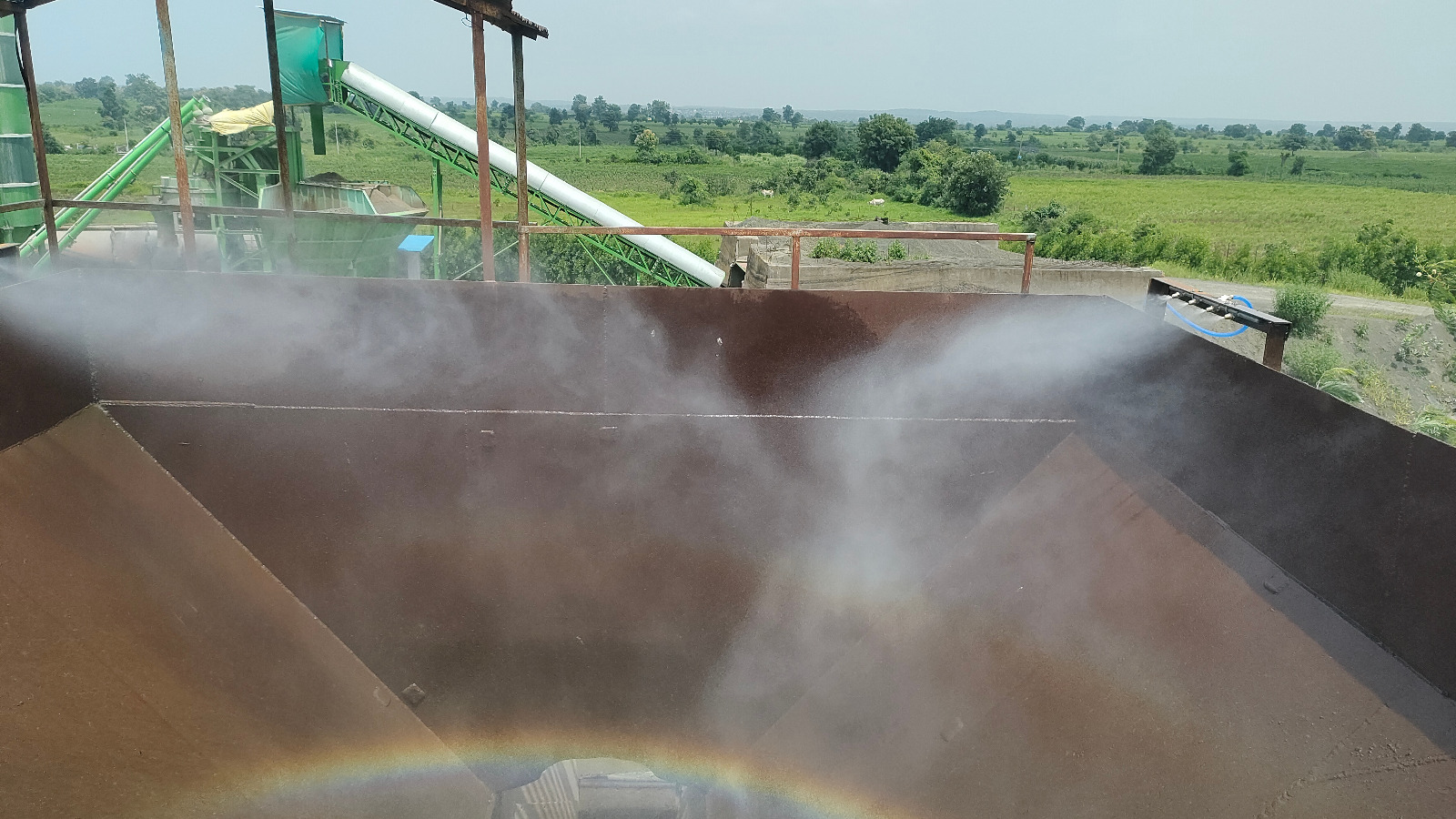
A crusher
can be ready to run while its site still lacks a required consent or land-use
approval. Environmental clearance (EC), pollution-control consents, and CPCB
guidance are different parts of the approval process. Which rules apply depends
on whether the crusher is standalone, linked to a mine, and located in an area
with special restrictions.
Before
buying land or equipment, confirm the project’s approval path with the right
authorities. Then plan dust, noise, and water controls around the current CPCB
guidance and state conditions. This can help prevent costly delays and
enforcement action.
Check Whether EC Applies
Standalone or linked
A
standalone stone-crushing unit is generally not listed as a separate project
category in the central EIA Notification, 2006. That does not mean every
crusher is exempt from environmental approvals. If the plant is part of a
mining project, the mine’s EC and other approvals may cover related processing
activities or set conditions for them.
Review
the project as a whole where mining and crushing are connected. Check the
current EIA Notification, its amendments, and any relevant court or tribunal
orders before relying on a general rule.
Local restrictions
The site
can affect approval even when a standalone crusher does not need a separate
central EC. State Pollution Control Boards (SPCBs) or Pollution Control
Committees (PCCs), state policies, and court directions may set siting rules or
distance limits. These may relate to homes, roads, forests, wildlife areas,
water bodies, or other sensitive places.
Also
confirm that the land can legally host an industrial unit. Local planning rules
and land-use permissions are separate from pollution-control approvals.
Confirm the approval
CPCB
issues technical guidance and national standards. The SPCB or PCC usually
grants and enforces the key consents for a crusher. Other bodies may be
involved, including the mining department, local planning authority,
groundwater authority, or forest and wildlife offices.
Ask the
relevant authorities to confirm the site’s siting criteria and approval path in
writing before finalizing the land or equipment purchase.
Secure the permits required
Consent to Establish
Consent
to Establish (CTE) is generally required from the SPCB or PCC before setting up
a unit, under the applicable pollution-control laws and state process. The
application often asks for site and layout plans, planned output, process
details, water use, nearby homes or other receptors, and proposed pollution
controls.
Use the
current application checklist for your state. The board may set site-specific
conditions, so a plan accepted elsewhere may not be enough.
Consent to Operate
Consent
to Operate (CTO) is generally required before commercial production begins. The
board may check whether the plant matches the approved layout and whether dust
and other control systems are installed and working. It may also review
compliance with CTE conditions.
Check the
consent’s validity, renewal dates, and rules for changes to capacity or
equipment. Do not treat an application receipt as permission to operate.
Project approvals
A new
plant may also need land-use or building approval, factory or local trade
permissions, and mining or mineral-source documents. Groundwater permission,
tree-cutting approval, forest clearance, or wildlife-related approval may apply
at some sites.
Keep an
approvals register with each authority, application status, consent conditions,
renewal date, and the person responsible for follow-up. This gives the project
team one clear record of what remains outstanding.
Apply CPCB norms
Stone-crushing guidance
CPCB’s Environmental
Guidelines for Stone Crushing Units provide guidance on pollution
prevention and control. Check the latest version and any directions issued by
the relevant SPCB or PCC. CPCB guidance does not replace statutory consents or
state-specific conditions.
Show
crushers, screens, conveyors, stockpiles, vehicle routes, and dust-control
equipment on the site plan. A clear layout helps the board assess where dust
may form and how the plant will control it.
Control dust
Assess
dust controls at crushers, screens, transfer points, and material storage
areas. Depending on the process and consent conditions, measures may include
equipment enclosures, covered conveyors, water sprays or mist systems, and
controlled material transfer.
Manage
haul-road dust and stockpiles as well. Regular housekeeping can stop spilled
material and dry fines from becoming airborne. Keep equipment details,
maintenance schedules, and inspection records ready for board review.
Manage noise, water
Select
and maintain equipment to limit noise. Enclosures and sound controls may also
be needed to meet applicable noise standards and consent conditions. Set
operating hours and practices in line with the approvals.
Reuse or
recirculate process water where feasible, and prevent uncontrolled discharge.
Follow any conditions for boundary management or green-belt planting. Store
oils and other materials safely to reduce the risk of leaks and soil or water
pollution.
Keep air-quality and operating
Confirm the limits
Applicable
limits and monitoring duties may come from the Environment (Protection) Rules,
CPCB guidance, and SPCB or PCC consent conditions. Requirements can vary with
the unit, process, location, and permit terms. Confirm current limits and test
methods with the regulator rather than relying on figures copied from an old
document.
Records and monitoring
Keep
records of water use, control-system operation, equipment maintenance,
inspections, complaints, and consent compliance. If ambient-air or stack
monitoring is required, follow the approved method, sampling point, frequency,
and reporting process.
Assign a
named compliance lead. Use a calendar for sampling, reports, renewals, and
inspections so that routine duties do not slip.
Prepare staff
Inspectors
may review consent documents, site plans, pollution controls, records, and
day-to-day work practices. Keep permits and conditions accessible at the plant,
and train staff to operate and check dust-control equipment.
When
someone raises a dust or noise concern, log it, inspect the source, take
corrective action, and retain the record. A clear response trail can help show
how the plant handled the issue.
Delays and enforcement action
Fix site and document gaps
Common
problems include incomplete applications, inconsistent site plans, unclear
land-use status, missing mineral-source details, and unverified siting
distances. A sound dust-control plan cannot fix unresolved land or location
issues.
Check
that drawings, process details, and production figures match across every
application. If the site plan changes, confirm whether the change needs fresh
approval or an amendment.
Required approvals
Starting
construction or production without the required consent or other permission can
lead to directions, penalties, suspension, or further action under applicable
laws. The exact response depends on the facts and the legal conditions that
apply.
Confirm
approval status in writing before work begins. Keep copies of issued consents
and check their conditions, rather than relying on an informal assurance or
pending application.
Official enforcement records
Published
National Green Tribunal orders, SPCB or PCC inspection reports, and official
enforcement notices can show how regulators address specific problems at
stone-crushing units. Read each case for the issue found, the condition or law involved
the required fix, and the regulator’s response.
A case
ruling applies to its own facts and does not create a universal siting rule.
Use it to identify risks, then verify current requirements with the authority
responsible for your site.
Conclusion
A
standalone crusher generally does not need a separate central EC, but a plant
linked to mining or located in a restricted area may face added requirements.
Confirm the project’s EC position, land-use status, and siting rules before
investing. Obtain applicable CTE and CTO, secure other permissions, and install
controls that match CPCB guidance and board conditions.
Before
commissioning, check that the site and equipment match approved plans and that
staff can run the control systems. Keep monitoring, maintenance, records, and
renewals current throughout the plant’s life. Start by confirming your site’s
approval path with the SPCB or PCC, then build the plant around its written
conditions.
Comments