
greenshiftspraysystems@gmail.com
+91-9830983311
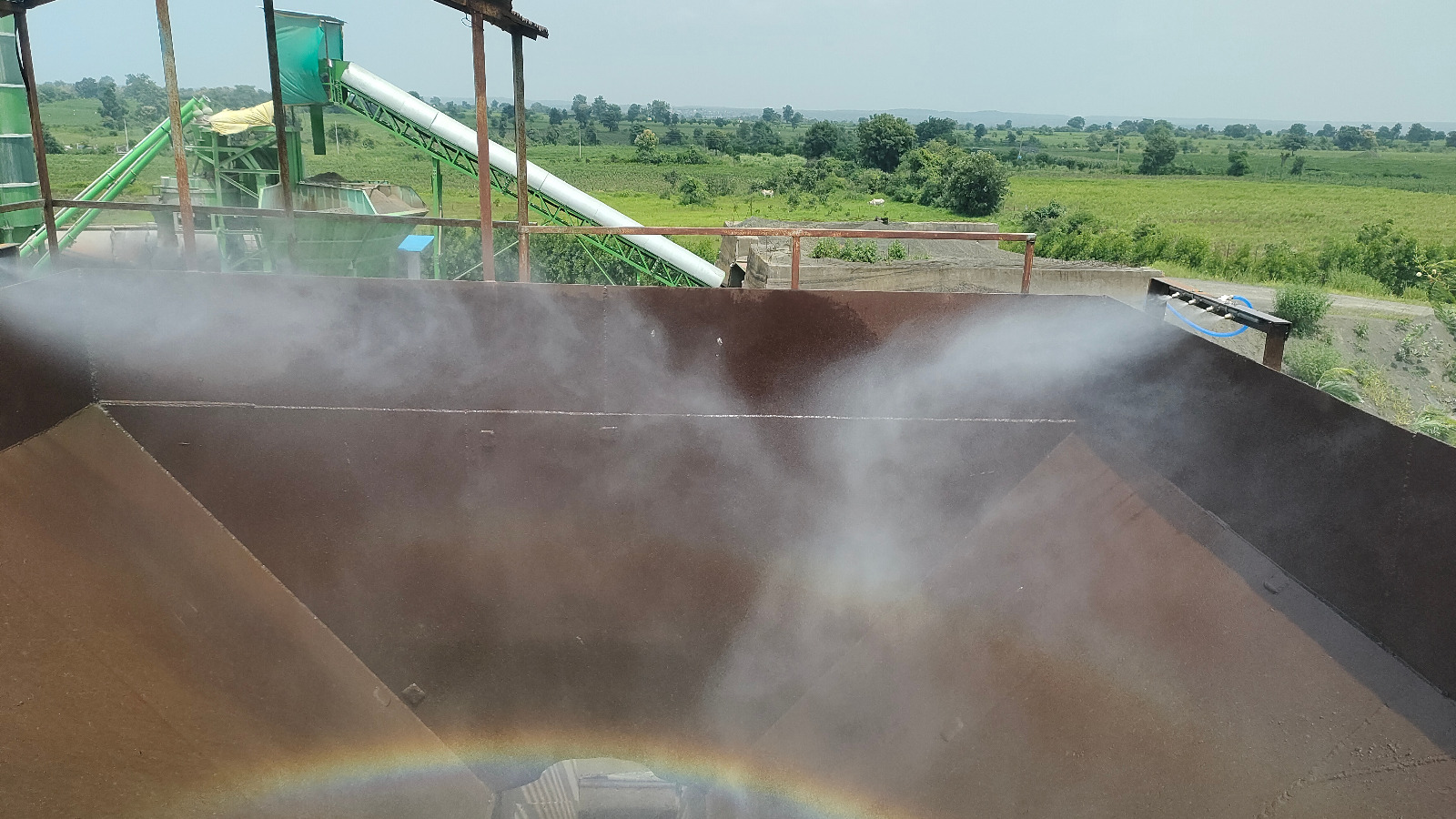
Dust
escaping at a conveyor transfer point can coat nearby equipment, cloud a work
area, and add hours of clean-up. A dust suppression system for material
handling plants should address where dust becomes airborne, not rely on a spray
bar alone.
The right
setup depends on the material, dust size, airflow, production rate, and how
much moisture the process can accept. Water sprays, foam, enclosures, and local
exhaust each have a role, and plants often combine them.
This
guide helps plant managers, engineers, and safety teams compare options and
plan an upgrade. A site review and performance checks under real operating
conditions are essential to confirm that a system works as intended.
Material handling plants matters
Impact and airflow
Conveyors,
crushers, screens, hoppers, bins, and stockpiles can all release dust. Material
impact, high drop heights, fast belt speeds, and sudden changes in airflow can
send fine particles into the air.
Loading
and unloading add more release points, especially when material falls into
trucks or storage areas. Walk the process and note where dust escapes during
normal operation, start up, and clean-up.
Dust affects people, equipment, and compliance
Airborne
particles can expose workers, reduce visibility, settle on equipment, and
increase housekeeping needs. Escaped material can also mean product loss or
nuisance emissions beyond the plant boundary. The health risk depends on the
dust; silica, toxic substances, and combustible dust need a material-specific
assessment.
Use
applicable OSHA rules, NIOSH resources, and relevant NFPA standards when
reviewing hazards and controls. Check local environmental rules and site
requirements, too. For silica-containing materials, confirm whether OSHA’s
respirable crystalline silica standard for general industry, 29 CFR 1910.1053,
or construction, 29 CFR 1926.1153, applies; requirements are not universal.
Material handling plants controls
airborne dust
Water sprays and atomizing nozzles
Water
droplets can bind dust or add enough weight to keep particles from becoming
airborne. Nozzle choice depends on droplet size, spray pattern, water pressure,
water quality, and the target area. A poorly aimed spray may miss the dust
plume, while clogged or worn nozzles can leave gaps in coverage.
Too much
water can create wet build up, affect product quality, or cause problems
downstream. Set flow and spray timing to match the material and process, and
then check moisture at the point where it matters.
Foam, enclosures, and local exhaust
Foam or a
wetting agent may help when plain water does not spread well across fine or
water-resistant material. Before use, check chemical compatibility, residue,
operating cost, and effects on later processing.
Enclosures
can limit how far dust travels, while local exhaust ventilation draws dusty air
into a collector. Suppression alone may not be enough where dust release is
heavy or moisture limits are strict. A hybrid system can pair targeted sprays
with enclosure, extraction, filtration, or improved chute design.
Assess before specifying a dust
Material properties and process
Check
particle size, current moisture, abrasiveness, temperature, and how readily the
material absorbs water. Identify whether it contains silica, toxic substances,
or combustible dust, since these hazards can change the required controls.
Then
review throughput, drop height, belt speed, airflow, and operating cycles. A
system that works during a slow shift may perform differently at peak
production, so include the full range of normal operating conditions.
Moisture limits, utilities, and maintenance
Ask
operations and downstream teams how added moisture could affect screening,
milling, storage, transport, or product grade. Also consider freezing risk and
drainage, especially for outdoor systems or cold-weather operation.
Review
water supply and pressure, power, compressed air, space, and corrosion
exposure. Make room for inspection and nozzle access, and plan for cleaning,
filter changes, repairs, and winterization before choosing equipment.
Design dust control
Conveyor transfer points
At
transfers, reduce the distance material falls and limit sudden impacts where
possible. Check belt alignment, chute shape, and skirting, then add sprays or
extraction close to the release point. Dust is easier to control before it
spreads through the building.
Keep
enclosures tight enough to contain dust while allowing safe inspection and
maintenance. Poorly placed sprays can wet belts or create build up, so confirm
the spray pattern with the material moving through the chute.
Crushers, screens, bins, and outdoor handling
Crushers
and screens can release dust through feed openings, discharge points, and
airflow around moving material. Enclosure, targeted suppression, and local
exhaust may work together; preserve access for routine checks and repairs. For
hoppers and bins, consider how filling and discharge affect air movement.
Stockpiles
and truck loading need coverage suited to wind, changing material height, and
vehicle movement. Fixed or mobile sprays may help, but assess water use,
runoff, drainage, weather, and site boundaries before installation. Follow
applicable environmental rules for outdoor dust and water management.
Operate and verify
System under real conditions
Test the
system with representative material, throughput, and weather where relevant.
Check spray coverage, water pressure and flow, dust escape points, moisture
effects, and interaction with extraction equipment. Adjust settings based on
what you observe rather than relying on design assumptions alone.
Record
baseline settings, test conditions, and any changes. This gives the team a
clear reference when production rates or materials shift.
Inspect, troubleshoot, and track results
Check for
clogged or worn nozzles, leaks, pressure changes, pump and filter issues,
damaged enclosures, and blocked drains. Visible dust may point to poor
coverage, a failed nozzle, or a change in airflow; wet buildup may signal
excess water or misplaced spray. Investigate the cause before increasing flow.
Track
useful measures such as workplace exposure, visible emissions, cleanup
frequency, water use, downtime, maintenance cost, and product loss. Use
qualified personnel and suitable methods for exposure or environmental
measurements. Compare results over time, and avoid assuming a fixed reduction
or payback without site data.
Conclusion
A sound
dust suppression system for material handling plants starts with the source,
the material, and the process limits. Assess high-emission areas, identify
material hazards, and involve operations and safety teams before selecting
sprays, foam, enclosures, or extraction.
Commission
the system under real conditions, document its settings, and keep up with
inspections. Take the next step by reviewing your plant’s dust release points
and confirming which controls fit each one. A well-designed, routinely checked
system can support cleaner, safer handling when it works alongside suitable
engineering controls and plant practices.
Comments