
greenshiftspraysystems@gmail.com
+91-9830983311
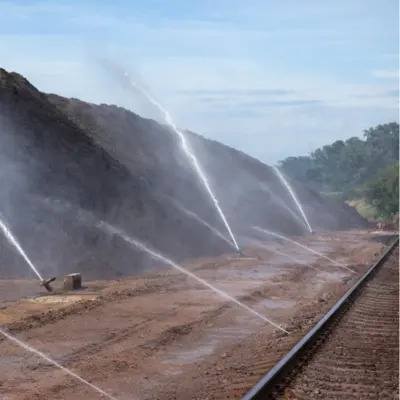
A fire in
a stockpile can grow before crews can reach its source. Hot work, overheated
equipment, or friction can ignite exposed material. Some stored goods,
including certain coal and biomass piles, can also build heat inside the pile
under specific storage conditions. A stockpile sprinkler system must account
for the material, pile shape, weather, and site layout.
The goal
is to deliver water where it can control fire, slow its spread, protect nearby
assets, and support emergency crews. A system may help limit damage, but it
cannot guarantee that a deep-seated fire will go out. Its design and expected
performance depend on the hazard and the rules that apply at the site.
Good
protection starts with a clear hazard review. System type, water supply,
coverage, installation, and upkeep all affect whether the plan will work when
needed.
Reduces Fire Risk
Stockpile fires hard to control
Large
piles can hide fire beneath the surface, while their height and shape may block
water from reaching hot spots. Outdoor conditions add more challenges: wind can
shift water spray, and limited roads or tight work areas can slow fire fighting
crews. Pile sizes and shapes may also change during daily operations.
Some
materials can heat up or reignite, depending on their makeup, moisture, storage
time, and other conditions. A surface that looks wet or cool may conceal
burning material below. These risks make it important to define how the site
will detect, control, and respond to a fire.
Designed to protect
A system
may wet exposed pile surfaces, slow fire spread, or help shield nearby
buildings and equipment. It can also protect conveyors, transfer points, and
access routes used by responders. The right goal depends on the fire risks and
the assets the site needs to protect.
Water
delivery alone may not extinguish a fire buried inside a pile. Fire crews may
need to move material, reach hot spots, or apply water from several positions.
Set clear system goals during the hazard review, and coordinate them with the
site’s emergency response plan.
Special protection
Coal,
biomass, wood products, tires, and mixed waste can burn in different ways.
Material size, density, moisture, contaminants, and storage time can affect how
a fire starts and spreads. The same water-delivery setup may not suit every
pile or storage area.
Site
conditions matter, too. A compact indoor pile near a conveyor has different
exposure risks than an open yard with widely spaced piles. Assess each material
and site on its own rather than applying a standard design without review.
Fits the Site
Fixed sprinklers, deluge systems, and water spray
Fixed
piping can supply sprinklers or water-spray nozzles placed to cover defined
areas. Some designs use automatic devices that open when heat reaches a set
point. Deluge systems use open discharge devices and release water when a
separate detection system activates them.
Each
approach has limits. Nozzle type, spacing, spray pattern, and water flow must
suit the hazard and the layout. An engineer should confirm whether the system
can reach the target surfaces without excessive blockage or water loss.
Monitors and water cannons
Fixed or
remote-operated monitors can project water across large outdoor areas. They may
help cover irregular piles or locations where overhead piping is hard to
install. Their reach and spray pattern depend on the equipment, water supply,
wind, and clear lines of sight.
Buildings,
conveyors, stored material, and moving equipment can block the stream.
Operators also need safe access and clear instructions for use. Treat monitors
as part of a planned protection system, not as proof that every part of a pile
will receive water.
Combine fixed protection
Hydrants,
fire department connections, and portable equipment can add options for site
staff and responding crews. They may help crews apply water from a safer angle
or address areas that fixed devices cannot reach. Their value depends on
reliable access, working equipment, and enough water.
Plan
these resources with the local fire service and the site’s emergency team. Show
responders where connections, valves, shutoffs, and access roads are located.
Practice the response plan so staff know their roles and crews can reach the
right areas.
Reliable Water Delivery
Map pile geometry
Record
each pile’s height, footprint, material, and position, along with nearby
buildings, conveyors, and other hazards. Note where walls, equipment, or stored
goods could block or deflect water. Current site drawings help designers check
coverage against real conditions.
Stockpile
layouts often change as material arrives, moves, or leaves the site. Review the
drawings when pile locations or heights shift, or when new equipment alters
access. A design based on an old layout may leave areas unprotected.
Size the water supply
The
design must account for available flow and pressure, system demand, and the
length of time water may be needed. Pumps, tanks, pipes, valves, and backup
power can all affect delivery. The required capacity should come from the
hazard review, design criteria, and governing requirements, not a generic rule
of thumb.
Check
whether the water source can meet demand during the expected operating
conditions. Also review what happens if a pump fails or power is lost. A
qualified fire protection professional can set the needed supply and identify
any gaps.
Check codes, standards, permits
NFPA 15, Standard
for Water Spray Fixed Systems for Fire Protection, may be relevant to
water-spray design. It does not automatically set the right approach for every
stockpile. The required rules depend on the system, hazard, and local adoption.
Confirm
the applicable code edition with the authority having jurisdiction, or AHJ.
Local fire rules, permits, and insurer requirements may add project-specific
conditions. Resolve these requirements before buying equipment or changing an
existing system.
Install and Operate
Protect pipes, nozzles, and controls
Stockpile
sites can expose equipment to vehicle strikes, corrosion, dust, vibration, and
freezing. Select materials and placement to suit the site’s weather and work
conditions. Guards can help protect exposed pipes and controls where vehicles
or loaders pass.
Leave
room for inspection, testing, and repair. Keep valves and controls easy to
reach, and mark them clearly. A system that is hard to inspect or operate may
not be ready when crews need it.
Keep coverage aligned
A new
pile position, added height, or expanded storage area can block water or create
blind spots. New conveyors and work platforms may also disrupt spray patterns.
Review coverage whenever storage arrangements or equipment change.
Make
someone responsible for reporting layout changes to the person who manages fire
protection. Walk the site and compare actual conditions with the system
drawings. If the change affects coverage, get a qualified review before relying
on the existing design.
Train staff and coordinate
Staff
should know how to raise an alarm, contact responders, and follow site shutdown
steps. They also need clear instructions on who can operate valves or monitors.
Keep access routes open and identify safe areas for crews to work.
Coordinate
these steps with the local fire service and the site’s emergency plan. Drills
should reflect the stored materials and likely hazards. Review the plan after
drills or changes to the site, then update contact details and staff roles.
Maintain Readiness and Verify
Inspection and testing
Set
routine checks for water supplies, pumps, valves, alarms, controls, monitors,
and discharge devices. Follow manufacturer instructions and applicable code
requirements for inspection and testing. Assign responsibility so checks are
completed and recorded.
Records
help show whether equipment works and reveal repeat problems. Log defects, test
results, repairs, and the person who completed each task. Include checks for
damage, leaks, blocked nozzles, and signs of freezing or corrosion.
Manage impairments
A planned
shutdown, damaged pipe, frozen line, or low water supply can reduce protection.
Notify the people responsible for the site and follow the impairment steps in
the fire safety plan. Temporary precautions may include limiting hot work,
adding fire watches, or moving material, as the hazard review directs.
Track
repairs until the system is restored. Confirm that the affected equipment works
before closing the impairment, and tell staff when normal protection is back in
service. Contact the AHJ or insurer when required by local rules or policy.
Review incidents and system performance
Use
verified records from fire services, insurers, or facility reviews when they
relate to the stored material and protection method. Check what failed, what
worked, and whether the response plan matched actual site conditions. Avoid
drawing broad conclusions from incidents that lack reliable details.
A near
miss or system test can also point to weak coverage, access, or training. Share
findings with the people who manage storage and fire protection. Update the
design or response plan when evidence shows a practical change is needed.
Conclusion
A
stockpile sprinkler system works best when its design matches the material,
pile layout, water supply, and response plan. Define the protection goal,
confirm applicable requirements, and check that water can reach the areas at
risk. Keep access clear, review coverage as the site changes, and test
equipment on schedule.
Before
selecting or modifying a system, involve a qualified fire protection
professional and the AHJ. That review helps ensure the design fits the hazard
and can support the people who respond when a fire starts.
Comments