
greenshiftspraysystems@gmail.com
+91-9830983311
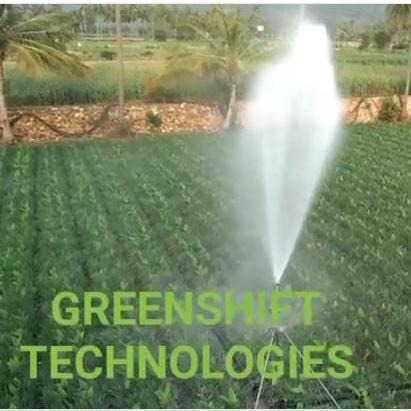
A rain
gun sprinkler can send water across a large field, but distance alone won’t
tell you how well it irrigates. Wind, soil, pressure, and sprinkler spacing all
affect how much water reaches each crop.
A rain
gun is a large-impact sprinkler built to cover a broad area. It can reduce the
number of sprinkler units or moves a field needs, though the result depends on
the site and system design.
Before
investing, match the sprinkler’s flow and pressure to your water source, crop,
and soil. This guide explains how rain guns work, where they fit, and what to
check during design, setup, and routine use.
How a Rain Gun Sprinkler Delivers Water Across
Large Areas
A rain
gun sends water through a nozzle, then spreads it over a wide area as the head
turns. Each part of the system affects the spray, so check the full setup
rather than judging the sprinkler by its size.
The parts that shape performance
The
sprinkler head holds the nozzle and impact mechanism, which helps turn the head
and spread water in a rotating pattern. A riser or stand positions the
sprinkler above the ground, while pipes carry water from a pump. Control valves
help regulate or shut off flow.
Models
differ in their parts, materials, and pressure needs. Filters may also be
needed to keep grit from blocking the nozzle or affecting moving parts. Check
the product details for the model you plan to use.
How pressure, flow, and throw work together
The
nozzle opening and water pressure affect flow rate, spray shape, and wetted
radius. A larger nozzle may pass more water, but it also needs the right
pressure to form the intended spray. Use the maker’s performance chart to see
how these settings work together.
A listed
throw distance is not a promise of uniform field coverage. Wind, terrain, and
sprinkler spacing can leave dry areas or cause too much overlap. Plan around
the useful wetted area shown in the product data, then confirm it in the field.
What can change the spray pattern
Wind can
push droplets away from the target and make one side of the pattern wetter than
the other. A higher riser may increase the spray’s reach, but nearby trees,
buildings, or power lines can block water. Pressure changes can also affect how
the sprinkler performs.
Test the
spray under the conditions in which you expect to irrigate. Check the maker’s
charts, then place catch cans across the wetted area to compare water depth.
Repeat the test if wind or pressure changes.
Where Rain Gun Irrigation Fits—and Where It May Not
A rain
gun can suit large, open fields where a broad spray pattern works with the crop
and field layout. It may be a poor fit where wind, slope, or crop sensitivity
makes that pattern hard to manage.
Crops and field layouts suited to broad-area
irrigation
Rain guns
may work well in open agricultural areas and pasture, where wide coverage can
make irrigation practical. They can also suit layouts that allow a sprinkler to
cover a large section without hitting obstacles. The right setup still depends
on the crop’s water needs and growth stage.
Some
crops need careful control over leaf wetness or water delivery. In those cases,
a broad spray may not be the best choice. Compare rain guns with smaller
sprinklers, drip lines, or other targeted systems before deciding.
Conditions that can limit coverage
Wind
drift can reduce the water reaching crops and make coverage uneven. On sloped
land, a high application rate may cause runoff before water can soak in. Soil
with a slow intake rate may also puddle under a heavy spray.
Sensitive
crops may need a gentler or more precise watering method. Smaller or targeted
systems can be a better fit when field shape, crop spacing, or local weather
limits broad spray coverage. Ask a local farm adviser about crop-specific
needs.
What to check before choosing a system
Measure
the field’s length, width, and slope, and note any trees, buildings, or other
barriers. Check the water source’s capacity and the pressure available at the
planned sprinkler location. A pump rating alone won’t show how much pressure
reaches the nozzle through the full pipe system.
Also
consider soil intake and typical wind conditions during irrigation hours. These
details help show whether the rain gun’s flow and spray pattern will work on
your site. Local agricultural extension staff can help with crop and soil
questions.
How to Design a Rain Gun Sprinkler System for More
Uniform Irrigation
Good
coverage depends on the layout and the water supply as much as the sprinkler
itself. Plan the system around verified performance data, then check its
results in the field.
Match spacing to performance data
Set
sprinkler spacing using the manufacturer’s charts and the overlap pattern
recommended for the model. Don’t space units based only on the maximum
advertised throw. That figure may not reflect uniform coverage in wind or other
field conditions.
After
setup, use catch cans to find dry spots and areas with excess overlap. Adjust
spacing or position if the results are uneven. A field test can reveal problems
that a plan or product chart can’t.
Size the pump, pipes, and nozzle as a system
The pump
must supply the needed flow and pressure at the sprinkler, not only at the pump
outlet. Pipe length, pipe size, fittings, and elevation changes can all affect
pressure along the way. A nozzle that needs more water than the system can
supply may not produce the intended pattern.
Check
pump curves, pipe friction losses, and the water source’s capacity. A qualified
irrigation designer can help size the parts as one system. This check is
especially useful when the field has long pipe runs or changes in elevation.
Compare application rate with soil intake
The
sprinkler’s application rate should suit the soil’s ability to absorb water. If
water arrives faster than it can soak in, runoff or ponding may follow,
especially on a slope. Irrigation time also needs to match crop demand and soil
conditions.
Use local
soil and crop guidance to set timing and duration. Observe the field during a
test run, including lower spots where water may collect. Change the schedule if
water is running off or standing on the surface.
How Rain Gun Sprinklers Affect Water and Energy Use
Broad
coverage may reduce the number of sprinkler units or relocations in some
fields. But water and energy use depend on the full system, including operating
pressure, wind, pump needs, and irrigation timing.
Where large-area coverage may save labor
A rain
gun may cover more ground per setup than a smaller sprinkler, which can reduce
moving or handling work in some layouts. The actual labor savings depend on
field shape, the number of units, and how the system is managed. Compare the
work needed for each option on your farm.
Large
coverage can also mean fewer devices to check during a run. However, the system
still needs regular inspection and pressure checks. A wide spray pattern
doesn’t remove the need to monitor irrigation.
Reduce water loss from wind and evaporation
Wind can
carry water away from the crop, while heat and dry air can increase evaporation
before droplets reach the soil. When crop needs and local rules allow, irrigate
during calmer periods. Avoid assuming that a longer throw means more water
reaches the root zone.
Catch
cans show how evenly water lands across the field. Use them during normal
operating conditions, not only on a calm day. If results vary widely, review
the timing, pressure, spacing, and nozzle choice.
Track results with field measurements
Record
sprinkler pressure, flow rate, run time, and the water depth collected in catch
cans. These notes help you compare one setup or irrigation period with another.
They can also reveal changes caused by a blocked nozzle or a drop in pump
output.
Use the
records to adjust run time and spot maintenance issues early. Keep measurements
tied to the field and conditions where you took them. That makes them more
useful than relying on a product’s rated throw alone.
How to Choose, Operate, and Maintain a Rain Gun
Sprinkler
Compare
models under the same pressure and nozzle conditions, then test the chosen
setup before regular use. Careful checks can help prevent poor coverage and
avoidable downtime.
Compare models on equal terms
Review
each model’s flow rate, pressure range, nozzle options, wetted radius,
connection type, and materials. Compare performance charts at matching
pressures and nozzle settings. A larger advertised radius may not suit your
water supply or field layout.
Ask about
available parts and service support as well. Check the maker’s instructions for
installation and safe operation. These details matter when the system needs
repair during the irrigation season.
Check the system before routine irrigation
Look for
leaks, confirm pressure at the sprinkler, and make sure the correct nozzle is
installed. Run the system and check coverage across the field with catch cans.
Record the settings and any dry or overly wet areas.
Use the
test results to adjust the layout or operating plan. Check the pressure again
after making changes, since pipe or valve adjustments can affect flow. Keep the
final settings where operators can find them.
Keep the sprinkler in working order
Inspect
the nozzle, filters, seals, and moving parts on a regular schedule. Clean
blocked parts as directed by the manufacturer, and replace worn components when
needed. Follow the product’s safety guidance before working on equipment under
pressure.
Before
storage, clean the sprinkler and protect it from damage or freezing if those
conditions apply. Check the maker’s care instructions for the model you own.
Routine attention can help keep the spray pattern steady.
Conclusion
A rain gun sprinkler can cover large, open areas when its flow, pressure, spacing, and
application rate suit the crop and site. Wind, soil, slope, and energy needs
all affect the result, so don’t choose a system by throw distance alone.
Review
product charts, check your water supply, and test coverage with catch cans
before routine use. Start with the field conditions and crop needs, then
compare systems with a qualified irrigation designer or local farm adviser.
Comments