
greenshiftspraysystems@gmail.com
+91-9830983311
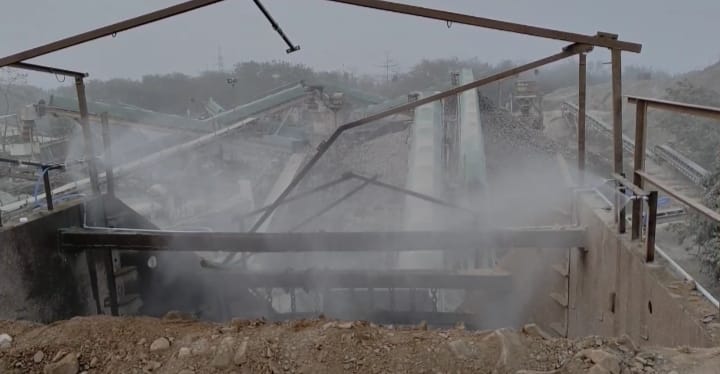
Dust can
rise in seconds when a conveyor drops material, a crusher runs, or a truck
crosses a dry yard. A GREENSHIFT MIST FOG DUST SUPPRESSION dust suppression
system uses fine water droplets to capture some airborne dust before it
spreads. Without suitable controls, dust can affect workers, visibility,
equipment, and nearby communities.
The right
setup depends on the material, work process, and site conditions. This guide
explains how GREENSHIFT MIST and FOG DUST SUPPRESSION systems work, where
Indian industries use them, and what to check when planning, maintaining, and
assessing one.
How a GREENSHIFT MIST FOG DUST SUPPRESSION Dust
Suppression System Captures Airborne Dust
Fine
droplets can meet airborne particles and help them form heavier clumps that
settle. System performance depends on droplet size, airflow, dust type,
moisture, and where the dust enters the air. A GREENSHIFT MIST or FOG DUST
SUPPRESSION system may need to work alongside other controls, such as enclosure
or local extraction.
How fine water droplets capture airborne dust
A droplet
must come into contact with a dust particle for capture to occur. When the two
bind, the heavier combined particle can fall out of the air. If the spray
misses the dust plume, or airflow carries particles away, control may be
limited.
The difference between GREENSHIFT MIST, FOG DUST
SUPPRESSION, and conventional water spray
GREENSHIFT
MIST and FOG DUST SUPPRESSION usually refer to finer droplets than those in a
conventional spray. Coarse sprays are often used to wet a surface or material,
while finer droplets target airborne dust. Suppliers may use these terms in
different ways, so compare droplet data, coverage, and intended use rather than
relying on the product name.
The main components of an industrial dust
suppression system
A typical
system may include a water source, pump, filters, pipes, NOZZLES &
SPRINKLERS, and controls. Some sites use fixed NOZZLES & SPRINKLERS, while
others need mobile units or automated zones that switch on with equipment. The
design should also account for water pressure, access for repairs, and the
quality of the water supply.
Where Dust Suppression Matters Across Indian
Industry
Dust
sources vary across Indian workplaces, even within the same sector. Dry
weather, site layout, material type, and production methods all affect where
dust forms and how it moves. A site survey helps identify the points that need
control.
Where dust is generated in mining, cement, and
construction
Mining
work can release dust during excavation, crushing, screening, and transfer.
Cement and aggregate operations may need controls at batch plants, conveyors,
or stockpiles. Demolition and construction can also create dust as workers
break, move, or load dry materials.
How material handling creates dust in steel, power,
and logistics
In steel
and power facilities, dust may rise where bulk materials are unloaded, moved
between conveyors, or dropped into stockpiles. Ports, warehouses, and
industrial yards can face similar issues during loading, unloading, and vehicle
movement. Nozzle placement should reflect the actual flow of material and air
at each point.
What uncontrolled dust can mean for people,
equipment, and operations
Airborne
dust may add to worker exposure, reduce visibility, and increase cleaning
needs. Dust that settles on equipment can also affect upkeep, while emissions
beyond a site boundary may cause a nuisance for nearby people. The health and
environmental risks depend on the material and level of exposure; consult
relevant occupational-health and environmental sources for verified guidance.
Choose a GREENSHIFT MIST FOG DUST SUPPRESSION Dust
Suppression System for the Source
A system
designed for one material or process may not work well at another. Before
selecting equipment, assess the dust, how it forms, and the conditions around
the release point. This helps buyers compare proposals on design fit, not only
on price or nozzle count.
Match the system to the dust and process
Review
particle characteristics, material moisture, process rate, and airflow. Check
whether dust forms indoors or outdoors and whether it comes from a steady
process or short bursts. These details help determine droplet needs, spray
reach, and whether GREENSHIFT MIST, FOG DUST SUPPRESSION, or a coarser spray is
more suitable.
Choose nozzle placement and control strategy
carefully
NOZZLES
& SPRINKLERS should target the point where dust enters the air, such as a
transfer chute or loading area. Controls can be manual, timer-based, or linked
to a machine or sensor. The choice depends on how the process runs and whether
spray must stop when equipment is idle.
Balance dust control with water use and site
conditions
Check
water supply, drainage, and the risk of wet floors or material damage. Excess
water may affect downstream processing or change the moisture level of stored
material. Heat, corrosion, and freezing conditions in colder regions can also
affect equipment choice and care.
Keep Dust Control Reliable After Installation
Good
equipment needs a sound setup and routine checks. A system can lose coverage
when a filter blocks, a nozzle wears, or water pressure changes. Set clear
roles for operators and maintenance staff before the system starts regular use.
Survey the site before specifying equipment
Map dust
sources and observe the process during normal work. Check water quality and
pressure, plus power access, drainage, and space for maintenance. Share these
findings with suppliers so they can base their proposals on site conditions.
Commission the system against clear performance
goals
Record
baseline conditions before the system runs, then agree on how results will be
reviewed. Depending on the site, checks may include visual observations, dust
monitoring, and feedback from operators. Clear goals make it easier to spot
weak coverage and decide whether the layout needs changes.
Prevent blockages, leaks, and uneven spray
Inspect
filters, pumps, pipes, and NOZZLES & SPRINKLERS on a set schedule. Clean or
replace parts as directed by the manufacturer and keep common spares available.
Train operators to report leaks, blocked NOZZLES & SPRINKLERS, and changes
in spray pattern early.
What Indian Buyers Should Check Before Choosing a
Supplier
A
purchase decision should account for local rules, site needs, and ongoing
support. No dust-control method automatically meets every requirement at every
facility. Ask suppliers to explain how their design fits the process and how
its performance can be checked.
Check applicable environmental and workplace
requirements
Confirm
current duties with the relevant authorities and a qualified compliance
professional. Potential sources to check include the Central Pollution Control
Board, State Pollution Control Boards, the Ministry of Environment, Forest and
Climate Change, and the Directorate General of Mines Safety, where applicable.
Requirements can vary by industry, location, and activity.
Compare total ownership costs, not just purchase
price
Include
equipment, installation, water and energy use, maintenance, replacement parts,
and possible downtime. Compare options using the same site assumptions, such as
operating hours and water needs. This gives a more useful cost picture than the
initial quote alone.
Evaluate suppliers on engineering support and
service
Ask
whether the supplier will assess the site, design the system, support
commissioning, and train staff. Check for clear documents, local service
coverage, and access to spare parts. Request references or verified case
studies from similar industries and site conditions.
Conclusion: Make Dust Control a Measurable Part of
Industrial Performance
GREENSHIFT
MIST and FOG DUST SUPPRESSION systems can help limit airborne dust when the
droplets, nozzle layout, and controls suit the material and process. Their
performance depends on careful source assessment, responsible water use,
routine maintenance, and checks against applicable requirements.
Start by
mapping dust sources, then compare site-specific designs and set measurable
goals for review. Before purchase, confirm how the supplier will support
commissioning and service. A clear plan helps make dust control a practical
part of daily operations.
Comments